

Hey there! As a supplier of negative pressure vacuum pumps, I often get asked about oil-free options. So, I thought I'd share some insights on this topic.
Let's start by understanding why people might be looking for oil-free negative pressure vacuum pumps. Oil-lubricated pumps have their advantages, like providing good sealing and lubrication, which can lead to longer pump life and better performance in some applications. However, they also come with a few drawbacks. For one, the oil can contaminate the pumped gas or fluid, which is a big no-no in industries like food processing, pharmaceuticals, and electronics manufacturing. Also, dealing with oil maintenance, including regular oil changes and disposal, can be a hassle and add to the operating costs.
So, what are the oil-free options for negative pressure vacuum pumps? Well, there are several types, and each has its own unique features and applications.
Diaphragm Vacuum Pumps
Diaphragm vacuum pumps are a popular oil-free option. They work by using a flexible diaphragm that moves back and forth to create a vacuum. The diaphragm separates the pumping chamber from the drive mechanism, so there's no need for oil lubrication. This makes them ideal for applications where contamination is a concern.
One of the great things about diaphragm vacuum pumps is their simplicity. They have fewer moving parts compared to other types of pumps, which means less maintenance and a lower chance of breakdowns. They're also relatively quiet, which is a plus if you're using them in a laboratory or other noise-sensitive environment.
We offer a range of diaphragm vacuum pumps, including the Mini vacuum pump for breast pump. This compact pump is designed specifically for breast pumps, providing a reliable and oil-free vacuum source. It's small enough to be portable, yet powerful enough to get the job done.
Another option is the Micro vacuum pump for home storage machine. This pump is perfect for home use, such as vacuum sealing food storage bags. It's easy to operate and can help keep your food fresh for longer.
Piston Vacuum Pumps
Piston vacuum pumps are another oil-free alternative. They use a piston that moves up and down inside a cylinder to create a vacuum. Like diaphragm pumps, piston pumps don't require oil lubrication, so they're suitable for clean applications.
Piston vacuum pumps can achieve higher vacuum levels compared to diaphragm pumps, which makes them a good choice for applications that require a deeper vacuum. However, they tend to be more complex and have more moving parts, which means they may require more maintenance.
Scroll Vacuum Pumps
Scroll vacuum pumps are a relatively new type of oil-free pump. They work by using two spiral-shaped scrolls that rotate relative to each other to create a vacuum. The scrolls are in contact with each other, but there's no metal-to-metal contact, so there's no need for oil lubrication.
Scroll vacuum pumps are known for their high efficiency and low noise levels. They can also handle a wide range of gases and vapors, making them suitable for a variety of applications.
Screw Vacuum Pumps
Screw vacuum pumps are another option for oil-free vacuum generation. They use two intermeshing screws that rotate to create a vacuum. The screws are designed to trap and compress the gas, and then discharge it from the pump.

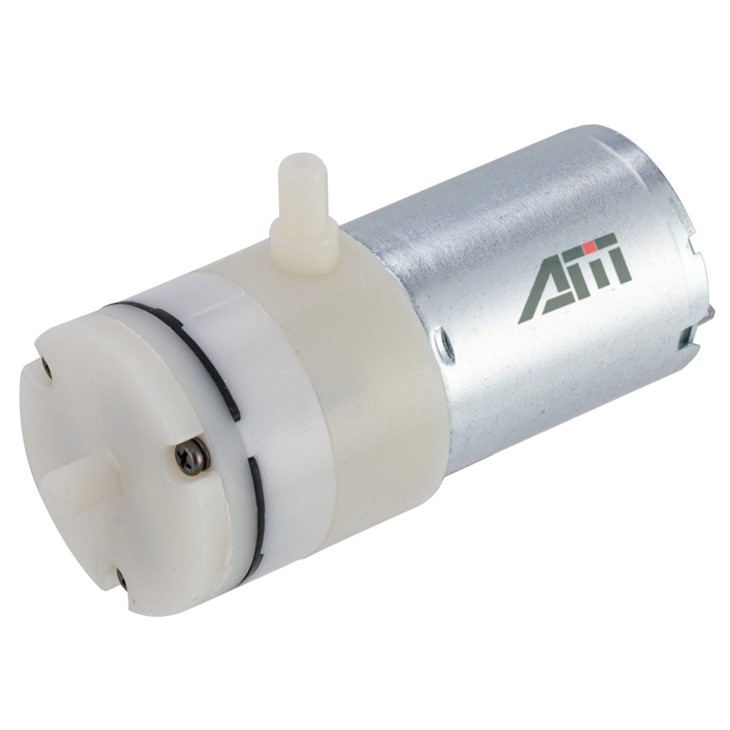
Screw vacuum pumps are capable of achieving high vacuum levels and can handle large volumes of gas. They're often used in industrial applications, such as chemical processing and semiconductor manufacturing.
Choosing the Right Oil-Free Vacuum Pump
When choosing an oil-free negative pressure vacuum pump, there are several factors to consider.
Vacuum Level: The required vacuum level is one of the most important factors. Different applications require different vacuum levels, so you need to choose a pump that can meet your specific needs. For example, if you're working in a laboratory and need to create a high vacuum for a specific experiment, you'll need a pump that can achieve a very low pressure.
Flow Rate: The flow rate is another important consideration. It refers to the volume of gas or fluid that the pump can move in a given time. If you need to pump a large volume of gas quickly, you'll need a pump with a high flow rate.
Chemical Compatibility: If you're pumping corrosive or reactive gases, you need to choose a pump that's made of materials that are compatible with the chemicals. For example, some pumps are made of stainless steel or other corrosion-resistant materials, which are suitable for pumping corrosive gases.
Size and Portability: If you need to move the pump around or use it in a limited space, you'll need to choose a pump that's compact and portable. Diaphragm pumps are often a good choice for these applications because they're small and lightweight.
Cost: Of course, cost is always a factor. You need to balance your budget with the performance and features of the pump. While oil-free pumps may be more expensive upfront, they can save you money in the long run by reducing maintenance and operating costs.
Conclusion
In conclusion, there are several oil-free options for negative pressure vacuum pumps, each with its own advantages and applications. Whether you're working in a laboratory, a manufacturing plant, or a home environment, there's an oil-free pump that can meet your needs.
If you're interested in learning more about our oil-free negative pressure vacuum pumps or have any questions about choosing the right pump for your application, don't hesitate to get in touch. We're here to help you find the perfect solution for your vacuum pumping needs.
References
- Vacuum Technology Handbook
- Industrial Vacuum Pumps: Principles, Design, and Operation
So, if you're in the market for an oil-free negative pressure vacuum pump, give us a shout. We'll be happy to have a chat and help you find the best pump for your specific requirements. Looking forward to hearing from you!