

When dealing with the operation of a sealing machine vacuum pump, optimization is key to ensuring efficiency, reliability, and long - term performance. As a trusted supplier of Sealing machine vacuum pumps, we understand the importance of getting the most out of these essential pieces of equipment. In this blog, we'll explore various strategies and best practices to optimize the operation of your sealing machine vacuum pump.

1. Understanding the Basics of Sealing Machine Vacuum Pumps
Before diving into optimization techniques, it's crucial to have a solid understanding of how sealing machine vacuum pumps work. These pumps are designed to create a vacuum within the sealing chamber of a machine, which is essential for proper sealing of packages. By removing air from the chamber, the pump helps to prevent oxidation, extend the shelf - life of products, and ensure a tight seal.
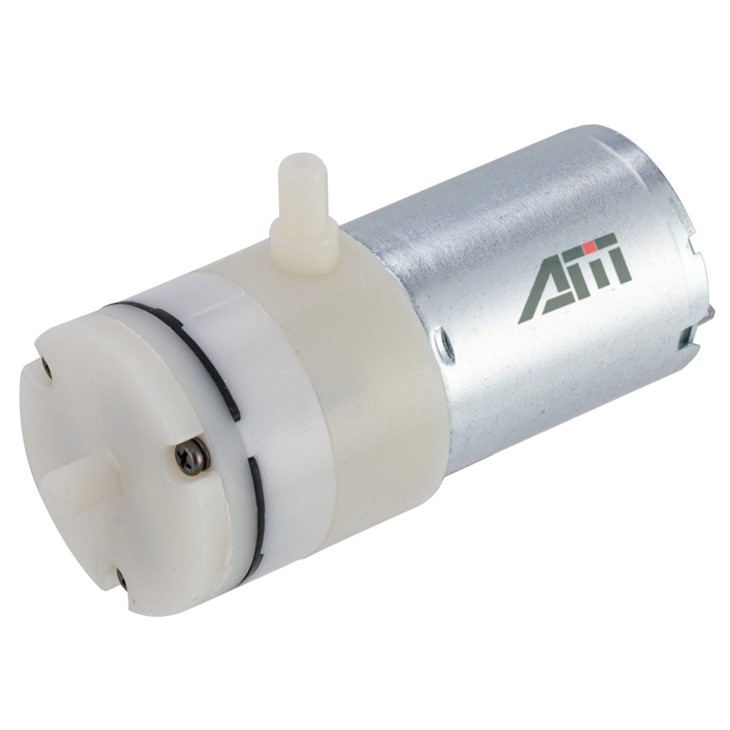
There are different types of vacuum pumps used in sealing machines, such as rotary vane pumps, diaphragm pumps, and piston pumps. Each type has its own set of characteristics, advantages, and limitations. Diaphragm pumps, for example, are known for their quiet operation, low maintenance requirements, and suitability for applications where the pumped gas may contain small amounts of liquid or particulate matter. Micro vacuum pump for packaging machine is a great example of a diaphragm pump that can be used effectively in packaging sealing machines.
2. Proper Installation
The first step in optimizing the operation of a sealing machine vacuum pump is proper installation. Incorrect installation can lead to a variety of problems, including reduced efficiency, increased wear and tear, and even premature failure of the pump.
- Location: Choose a clean, dry, and well - ventilated location for the pump. The pump should be installed on a stable surface to minimize vibration. Excessive vibration can cause damage to the pump components and affect its performance.
- Piping: Use the correct size and type of piping for the pump. The piping should be short and straight as much as possible to minimize pressure drop. Make sure all connections are tight to prevent air leaks.
- Electrical Connections: Ensure that the electrical connections are made according to the manufacturer's specifications. Incorrect wiring can lead to electrical problems and may even damage the pump motor.
3. Regular Maintenance
Regular maintenance is essential for the optimal operation of a sealing machine vacuum pump. A well - maintained pump will run more efficiently, have a longer service life, and require fewer repairs.
- Oil Changes: If your pump uses oil (such as rotary vane pumps), regular oil changes are crucial. Over time, the oil can become contaminated with dirt, moisture, and other impurities, which can reduce the pump's performance. Follow the manufacturer's recommendations for oil change intervals.
- Filter Replacement: Many vacuum pumps are equipped with filters to remove contaminants from the pumped gas. Replace these filters regularly to ensure proper air flow and prevent damage to the pump.
- Inspection of Seals and Gaskets: Check the seals and gaskets for signs of wear and tear. Leaking seals can cause a loss of vacuum and reduce the efficiency of the pump. Replace any damaged seals or gaskets immediately.
- Lubrication: Some pump components may require lubrication. Use the recommended lubricant and follow the manufacturer's instructions for lubrication intervals.
4. Monitoring and Control
Monitoring the operation of the sealing machine vacuum pump is an important part of optimization. By keeping an eye on key parameters, you can detect potential problems early and take corrective action before they cause significant damage.
- Vacuum Level: Regularly check the vacuum level in the sealing chamber. A drop in vacuum level may indicate a leak in the system or a problem with the pump. Use a vacuum gauge to measure the vacuum level accurately.
- Temperature: Monitor the temperature of the pump. Excessive heat can be a sign of overloading, improper lubrication, or a mechanical problem. If the pump temperature is too high, shut down the pump immediately and investigate the cause.
- Motor Current: Keep track of the motor current. An increase in motor current may indicate a problem with the pump, such as a clogged filter or a mechanical obstruction.
5. Matching the Pump to the Application
To ensure optimal performance, it's important to match the vacuum pump to the specific requirements of the sealing machine application.
- Pumping Speed: The pumping speed of the pump should be sufficient to achieve the desired vacuum level within a reasonable time. Consider the size of the sealing chamber and the volume of air that needs to be removed.
- Ultimate Vacuum: Different applications may require different ultimate vacuum levels. Make sure the pump can reach the required ultimate vacuum for your specific application.
- Chemical Compatibility: If the pumped gas contains chemicals or other reactive substances, ensure that the pump materials are compatible with these substances. Otherwise, the pump may be damaged, and its performance may be affected.
6. Upgrading and Retrofit
In some cases, upgrading or retrofitting your sealing machine vacuum pump may be a cost - effective way to optimize its operation.
- New Technology: Newer vacuum pump models often incorporate advanced technologies that can improve efficiency, reduce energy consumption, and provide better performance. Consider upgrading to a more modern pump if your current one is outdated.
- Add - on Features: Some add - on features, such as variable speed drives, can improve the control and efficiency of the pump. These features allow the pump to adjust its speed according to the actual requirements of the application, reducing energy waste.
Conclusion
Optimizing the operation of a sealing machine vacuum pump is a multi - faceted process that involves proper installation, regular maintenance, monitoring, and matching the pump to the application. By following these best practices, you can ensure that your pump runs efficiently, has a longer service life, and provides reliable performance.
Whether you are using a Micro vacuum pump for cooking machine or a Mini vacuum pump for breast pump, our company as a supplier can offer you the right advice and products to meet your needs. If you are interested in optimizing your sealing machine vacuum pump or looking to purchase a new one, we encourage you to contact us for purchase and negotiation. We are eager to help you find the best solution for your specific application.
References
- Vacuum Pump Handbook, Various Authors.
- Manufacturer's manuals for sealing machine vacuum pumps.