

Micro solenoid air valves are crucial components in various industries, from medical devices to packaging machinery. As a leading supplier of micro solenoid air valves, I am often asked about the materials used in their production. In this blog post, I will delve into the different materials commonly employed in making these valves, their properties, and how they contribute to the overall performance of the valves.
1. Housing Materials
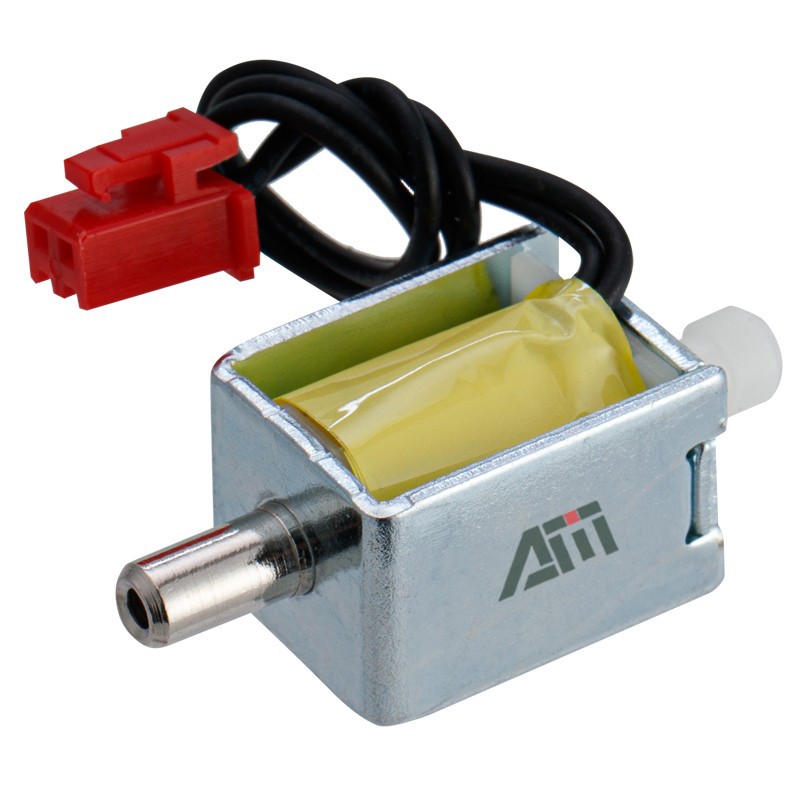
The housing of a micro solenoid air valve serves as a protective enclosure for the internal components. It needs to be durable, resistant to environmental factors, and capable of withstanding pressure. Two common materials used for valve housings are plastic and metal.
Plastic
Plastic is a popular choice for micro solenoid air valve housings due to its lightweight, cost - effectiveness, and ease of manufacturing. Materials such as polycarbonate (PC) and acrylonitrile butadiene styrene (ABS) are frequently used.
Polycarbonate is known for its high impact resistance, transparency, and good dimensional stability. It can withstand a wide range of temperatures, making it suitable for applications where the valve may be exposed to varying environmental conditions. ABS, on the other hand, offers a good balance of strength, stiffness, and impact resistance. It is also easy to mold into complex shapes, which is beneficial for creating compact valve designs.
Metal
Metal housings are preferred in applications where high strength, heat resistance, and corrosion resistance are required. Stainless steel is a commonly used metal for valve housings. It has excellent corrosion resistance, which makes it suitable for use in harsh environments, such as in the food and beverage industry or in outdoor applications. Brass is another option, known for its good machinability and electrical conductivity. It is often used in applications where the valve needs to be electrically grounded.
2. Coil Materials
The coil is an essential part of a micro solenoid air valve as it generates the magnetic field that controls the movement of the valve's plunger. The main materials used for coils are copper and enameled copper wire.
Copper
Copper is a highly conductive metal, which makes it ideal for use in solenoid coils. It has low electrical resistance, allowing for efficient energy transfer and the generation of a strong magnetic field. Copper also has good thermal conductivity, which helps in dissipating heat generated during the operation of the coil.
Enameled Copper Wire
Enameled copper wire is copper wire coated with a thin layer of insulating enamel. This insulation prevents short - circuits between the turns of the coil and allows for a more compact coil design. The enamel coating is typically made of materials such as polyester or polyimide, which have good dielectric properties and can withstand high temperatures.
3. Sealing Materials
Sealing materials are used to prevent air leakage in micro solenoid air valves. They need to be flexible, durable, and resistant to chemicals and wear. Common sealing materials include rubber and silicone.
Rubber
Rubber seals are widely used in micro solenoid air valves due to their excellent elasticity and sealing properties. Natural rubber and synthetic rubbers such as nitrile rubber (NBR) and ethylene propylene diene monomer (EPDM) are commonly used. NBR is known for its good oil resistance, making it suitable for applications where the valve may come into contact with lubricants or hydraulic fluids. EPDM, on the other hand, has excellent resistance to weathering, ozone, and high - temperature steam, making it a good choice for outdoor and high - temperature applications.
Silicone
Silicone seals offer several advantages, including high temperature resistance, chemical resistance, and biocompatibility. They are often used in medical applications, such as in Solenoid air valve for medical nebulizer, where the valve needs to be in contact with human tissues or fluids. Silicone seals can also withstand a wide range of temperatures, from - 40°C to 230°C, making them suitable for use in extreme environments.

4. Plunger Materials
The plunger is the moving part of the micro solenoid air valve that controls the flow of air. It needs to be lightweight, magnetic, and resistant to wear. Common materials used for plungers are iron and stainless steel.
Iron
Iron is a ferromagnetic material, which means it can be easily magnetized. It is often used in plungers because it can be attracted by the magnetic field generated by the coil, allowing for quick and efficient valve operation. Iron plungers are relatively inexpensive and can be easily machined into the required shape.
Stainless Steel
Stainless steel plungers are used in applications where corrosion resistance is a concern. They are more expensive than iron plungers but offer better durability and longer service life. Stainless steel plungers are also non - magnetic in some grades, which can be beneficial in applications where magnetic interference needs to be minimized.
5. Applications and Material Selection
The choice of materials for a micro solenoid air valve depends on the specific application. For example, in Solenoid air valve for breast pump, biocompatible materials such as silicone seals and stainless steel components are preferred to ensure the safety of the user. In Solenoid air valve for packaging machine, materials that can withstand high - speed operation and repeated use, such as metal housings and durable seals, are essential.
6. Conclusion
In conclusion, the materials used to make micro solenoid air valves play a crucial role in their performance, durability, and suitability for different applications. As a supplier, we carefully select the materials based on the specific requirements of our customers. Whether it's a medical device, a packaging machine, or any other application, we ensure that our micro solenoid air valves are made from high - quality materials to provide reliable and efficient operation.
If you are in the market for micro solenoid air valves and want to discuss your specific needs, please feel free to contact us. We are ready to provide you with the best solutions and products tailored to your requirements.
References
- ASM International. (2008). Metals Handbook Desk Edition, 3rd Edition.
- Rubber Manufacturers Association. (2019). Rubber Technology Handbook.
- Society of Plastics Engineers. (2015). Plastics Engineering Handbook of the Society of Plastics Engineers.