

As a seasoned supplier of packaging machine vacuum pumps, I've witnessed firsthand the pivotal role these pumps play in the packaging industry. Vacuum pumps are essential for creating the necessary vacuum environment in packaging machines, ensuring product quality, shelf life, and overall efficiency. In this blog, I'll delve into the various control methods for vacuum pumps in packaging machines, sharing insights and practical knowledge based on my years of experience.
1. Manual Control
Manual control is the most basic and straightforward method of operating a vacuum pump in a packaging machine. It involves an operator directly adjusting the pump's settings, such as starting and stopping the pump, and regulating the vacuum level. This method is simple and cost - effective, making it suitable for small - scale packaging operations or situations where the packaging requirements are relatively stable.
However, manual control has its limitations. It requires constant operator attention, and the accuracy of vacuum level control depends on the operator's skills and experience. Inconsistent vacuum levels can lead to packaging defects, such as improper sealing or insufficient product protection. For example, if the vacuum level is too low, the package may not be properly sealed, allowing air and moisture to enter, which can reduce the product's shelf life.
2. On - Off Control
On - off control is a step up from manual control. In this method, the vacuum pump is controlled by a simple switch or relay. The pump is turned on when the vacuum level in the packaging chamber drops below a certain set point and turned off when the desired vacuum level is reached. This type of control is commonly used in applications where a relatively stable vacuum level is required, but high precision is not necessary.
On - off control is easy to implement and can be integrated into existing packaging machine control systems. However, it can cause frequent starts and stops of the pump, which may lead to increased wear and tear on the pump components. This can result in higher maintenance costs and a shorter pump lifespan. For instance, the motor of the vacuum pump may experience more stress during frequent starts, potentially leading to motor failure over time.
3. Pressure - Based Control
Pressure - based control is a more advanced method that uses a pressure sensor to monitor the vacuum level in the packaging chamber. The sensor sends a signal to a controller, which then adjusts the pump's operation to maintain the desired vacuum level. This method offers greater accuracy and stability compared to on - off control.
The controller can be programmed to adjust the pump's speed or flow rate based on the measured pressure. For example, if the pressure in the chamber rises slightly, the controller can increase the pump's speed to quickly restore the desired vacuum level. Pressure - based control is suitable for applications where precise vacuum levels are critical, such as in the packaging of sensitive products like pharmaceuticals or electronics.
One of the advantages of pressure - based control is its ability to adapt to changing packaging conditions. If the packaging materials or product characteristics change, the controller can adjust the pump operation accordingly. However, this method requires more sophisticated equipment, including a pressure sensor and a controller, which can increase the initial investment cost.
4. Flow - Based Control
Flow - based control focuses on regulating the flow rate of the gas being removed by the vacuum pump. A flow sensor is used to measure the gas flow, and the controller adjusts the pump's operation to maintain a constant flow rate. This method is particularly useful in applications where the gas load in the packaging chamber varies.
For example, in the packaging of products that release gas during the packaging process, such as some food products, a flow - based control system can ensure that the pump removes the gas at a consistent rate. This helps to maintain a stable vacuum environment and prevent over - or under - vacuuming. Flow - based control can also improve energy efficiency by adjusting the pump's operation based on the actual gas flow requirements.
However, flow - based control systems are more complex and expensive to implement compared to pressure - based systems. They require accurate flow sensors and sophisticated control algorithms to ensure proper operation.
5. Programmable Logic Controller (PLC) Control
PLC control is a highly versatile and powerful method for controlling vacuum pumps in packaging machines. A PLC is a digital computer that can be programmed to perform a variety of control functions. It can integrate multiple sensors, such as pressure sensors, flow sensors, and temperature sensors, to monitor and control the vacuum pump operation.
With a PLC, complex control algorithms can be implemented to achieve precise and customized control of the vacuum pump. For example, the PLC can be programmed to adjust the pump's operation based on different packaging cycles or product types. It can also communicate with other components of the packaging machine, such as the sealing mechanism or the conveyor system, to ensure coordinated operation.
PLC control offers high reliability and flexibility. It allows for easy modification of control parameters, which is beneficial for adapting to changing production requirements. However, implementing a PLC - based control system requires specialized knowledge and skills, and the initial investment cost can be relatively high.
6. Variable Frequency Drive (VFD) Control
VFD control is an energy - efficient method for controlling the speed of the vacuum pump motor. A VFD is an electronic device that can vary the frequency and voltage supplied to the motor, thereby adjusting the motor's speed. By controlling the pump speed, the VFD can regulate the vacuum level and the gas flow rate.
VFD control is particularly useful in applications where the vacuum requirements vary over time. For example, during the initial stage of the packaging process, a higher vacuum level may be required, and the pump can operate at a higher speed. Once the desired vacuum level is reached, the pump speed can be reduced to maintain the vacuum while consuming less energy.

This method can significantly reduce energy consumption and extend the pump's lifespan by reducing the mechanical stress on the pump components. However, VFDs can be expensive, and proper installation and configuration are required to ensure optimal performance.
Our Product Range
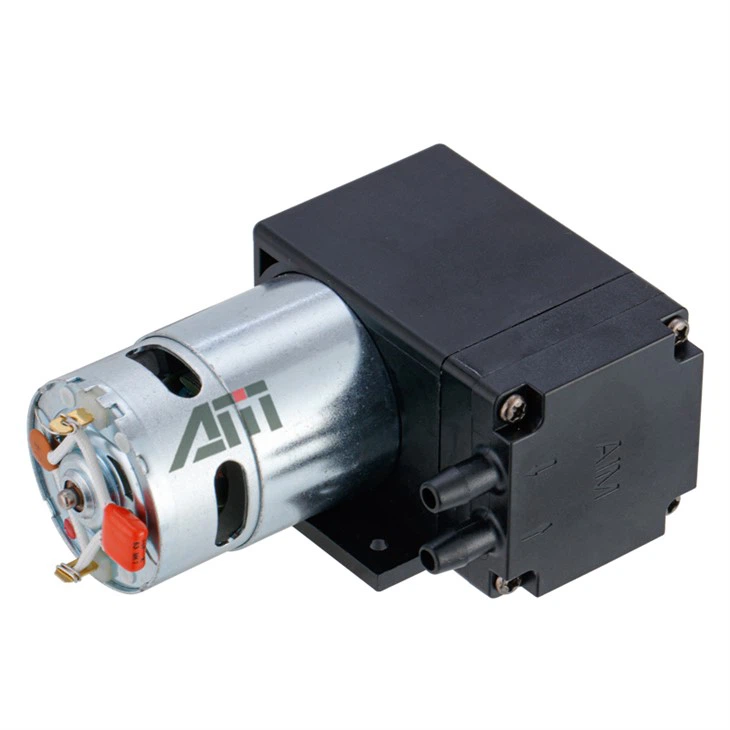
At our company, we offer a wide range of vacuum pumps suitable for different packaging applications. For instance, our Mini vacuum pump for breast pump is a compact and efficient option for small - scale packaging tasks. Our Micro vacuum pump for medical therapy is designed to meet the high - precision requirements of medical product packaging. And our Micro vacuum pump for packaging machine is a reliable choice for general packaging applications, offering a good balance between performance and cost.
Conclusion
Choosing the right control method for a vacuum pump in a packaging machine is crucial for ensuring optimal packaging quality, efficiency, and cost - effectiveness. Each control method has its own advantages and limitations, and the selection should be based on the specific requirements of the packaging application.
Whether you need a simple on - off control system for a small - scale operation or a sophisticated PLC - based control system for a large - scale production line, we can provide you with the right vacuum pump and control solution. If you are interested in learning more about our products or discussing your specific packaging needs, please feel free to contact us for procurement and negotiation.
References
- "Vacuum Technology Handbook" by John F. O'Hanlon
- "Packaging Machinery Technology" by Douglas J. Campbell
- Industry whitepapers on vacuum pump control in packaging applications