

What is the maximum flow rate a micro high - pressure water pump can achieve?
As a supplier of micro high - pressure water pumps, I often encounter inquiries from customers about the maximum flow rate these pumps can reach. Understanding the maximum flow rate is crucial for various applications, especially in industries where precise water delivery under high pressure is required. In this blog, I will delve into the factors affecting the maximum flow rate of micro high - pressure water pumps and provide insights based on our experience in the field.
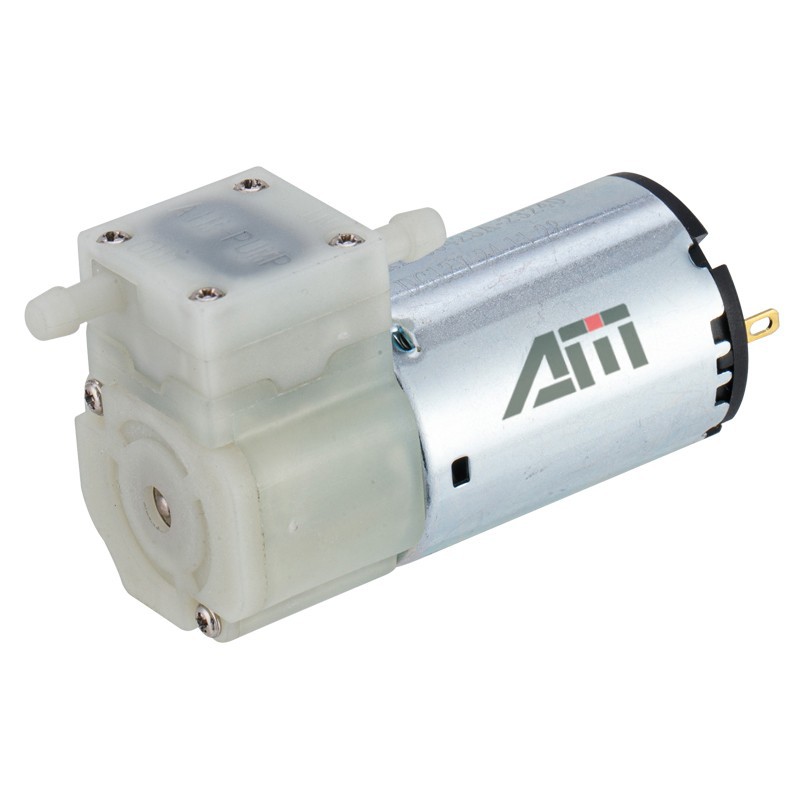

Understanding Micro High - Pressure Water Pumps
Micro high - pressure water pumps are designed to deliver water at relatively high pressures within a compact form factor. They are commonly used in applications such as coffee machines, medical devices, and small - scale industrial processes. These pumps utilize different mechanisms, such as diaphragm pumps, gear pumps, or centrifugal pumps, to generate the necessary pressure and flow.
Factors Affecting the Maximum Flow Rate
1. Pump Design and Type
The design of the pump plays a significant role in determining its maximum flow rate. Diaphragm pumps, for example, operate by flexing a diaphragm to create a pumping action. The size and flexibility of the diaphragm, as well as the design of the valve system, can limit the flow rate. Gear pumps, on the other hand, use gears to trap and transport fluid. The number of teeth on the gears and the size of the pumping chamber can impact the flow capacity. Centrifugal pumps work by using a rotating impeller to accelerate the water. The diameter and design of the impeller, as well as the speed of rotation, are key factors in determining the flow rate.
2. Power Input
The power supplied to the pump is directly related to its performance. A pump with a higher power input can generally achieve a higher flow rate. However, there are limitations to how much power can be effectively converted into flow. Factors such as the efficiency of the motor, the mechanical losses within the pump, and the heat generated during operation can all affect the overall performance.
3. Pressure Requirements
High - pressure applications often require a trade - off between pressure and flow rate. As the pressure increases, the flow rate typically decreases. This is because more energy is required to overcome the resistance in the system. For example, in a coffee machine that requires high - pressure water to extract the flavor from the coffee grounds, the pump may need to sacrifice some flow rate to achieve the necessary pressure.
4. Fluid Properties
The properties of the fluid being pumped, such as viscosity and density, can also affect the flow rate. More viscous fluids require more energy to pump and may result in a lower flow rate. Similarly, fluids with higher density can put more strain on the pump and reduce its efficiency.
Typical Maximum Flow Rates in Different Applications
Coffee Machines
In the coffee machine industry, micro high - pressure water pumps are widely used. For Micro water pump for capsule coffee machine, the maximum flow rate may range from 100 to 300 milliliters per minute (ml/min). These pumps are designed to provide the right amount of water at high pressure to extract the perfect shot of espresso. The Micro water pump for portable coffee machine typically has a slightly lower flow rate, usually around 80 - 200 ml/min, due to the limited power supply and space in portable devices. For Micro water pump for cold brew coffee machine, the flow rate requirements may be different as the brewing process is slower and may require a more consistent, lower flow rate, perhaps in the range of 50 - 150 ml/min.
Medical Devices
In medical applications such as infusion pumps, the flow rate requirements are very precise. Micro high - pressure water pumps used in these devices can have maximum flow rates ranging from a few microliters per minute to several milliliters per minute, depending on the specific application. The accuracy and reliability of the flow rate are of utmost importance in these critical applications.
Small - Scale Industrial Processes
In small - scale industrial processes, the maximum flow rate of micro high - pressure water pumps can vary widely depending on the nature of the process. For example, in some cleaning or spraying applications, the flow rate may be in the range of 500 - 1000 ml/min, while in more precise dosing applications, the flow rate may be much lower.
Achieving the Maximum Flow Rate
To achieve the maximum flow rate from a micro high - pressure water pump, it is essential to optimize the system design. This includes selecting the right pump type for the application, ensuring proper power supply, and minimizing the resistance in the piping system. Regular maintenance of the pump, such as cleaning the valves and checking the seals, can also help maintain its performance over time.
Contact for Procurement and Consultation
If you are interested in our micro high - pressure water pumps or have any questions about their flow rate, pressure requirements, or application suitability, please feel free to contact us. Our team of experts is ready to assist you in finding the best solution for your specific needs. We can provide detailed product information, technical support, and even customized solutions if required. Whether you are a coffee machine manufacturer, a medical device developer, or involved in a small - scale industrial process, we have the right pump for you.
References
- "Pump Handbook" by Igor J. Karassik et al.
- Industry reports on micro high - pressure water pump applications.