

As a supplier of vacuum sealer machine pumps, I often get asked whether a vacuum sealer machine pump needs a pressure gauge. It's a valid question, and the answer isn't as straightforward as you might think. In this blog post, I'll share my insights on this topic and help you decide if a pressure gauge is necessary for your vacuum sealer machine pump.
Understanding the Role of a Pressure Gauge
First off, let's talk about what a pressure gauge does. A pressure gauge is a device that measures the pressure inside a system. In the context of a vacuum sealer machine pump, it shows you how much vacuum (or negative pressure) the pump is creating. This information can be really useful in a few different ways.
For one, it helps you monitor the performance of your pump. If the pressure reading isn't where it should be, it could indicate that there's a problem with the pump, like a leak or a malfunction. By keeping an eye on the pressure gauge, you can catch these issues early and take steps to fix them before they cause more serious problems.
Another benefit of having a pressure gauge is that it allows you to achieve a more consistent vacuum level. Different applications may require different levels of vacuum, and a pressure gauge helps you set and maintain the right level. For example, if you're sealing food, you might want a higher vacuum level to keep the food fresh for longer. With a pressure gauge, you can adjust the pump to reach and hold that specific level.
Situations Where a Pressure Gauge is Useful
Let's look at some specific situations where a pressure gauge can be really handy.
Food Preservation
When it comes to food preservation, a pressure gauge can make a big difference. As I mentioned earlier, different types of food may require different vacuum levels. For example, delicate foods like berries or cakes may need a lower vacuum level to prevent them from getting crushed, while denser foods like meat or cheese can handle a higher vacuum. A pressure gauge allows you to fine-tune the vacuum level for each type of food, ensuring that it stays fresh for as long as possible.
Industrial Applications
In industrial settings, precision is key. Many industrial processes rely on a specific vacuum level to function properly. For example, in the manufacturing of electronic components, a precise vacuum is needed to prevent oxidation and ensure the quality of the products. A pressure gauge helps you monitor and control the vacuum level, ensuring that the process runs smoothly and the products meet the required standards.
Medical Applications
Medical devices often use vacuum pumps to perform various functions, such as suctioning fluids or creating a vacuum environment for certain procedures. In these cases, a pressure gauge is essential for ensuring the safety and effectiveness of the device. It allows medical professionals to monitor the vacuum level and make adjustments as needed, ensuring that the device operates within the required parameters.
Situations Where a Pressure Gauge May Not Be Necessary
While a pressure gauge can be useful in many situations, there are also cases where it may not be necessary.

Simple Household Use
For basic household use, such as sealing food in plastic bags, a pressure gauge may not be essential. Most household vacuum sealers are designed to provide a standard level of vacuum that is suitable for most types of food. As long as the sealer is working properly, you can achieve a good seal without the need for a pressure gauge.
Low-Cost Vacuum Sealers
Some low-cost vacuum sealers may not come with a pressure gauge. These sealers are typically designed for simple, occasional use and may not require the precision that a pressure gauge provides. If you're on a budget and only need a basic vacuum sealer for occasional use, you may not need to worry about a pressure gauge.
Our Vacuum Sealer Machine Pumps
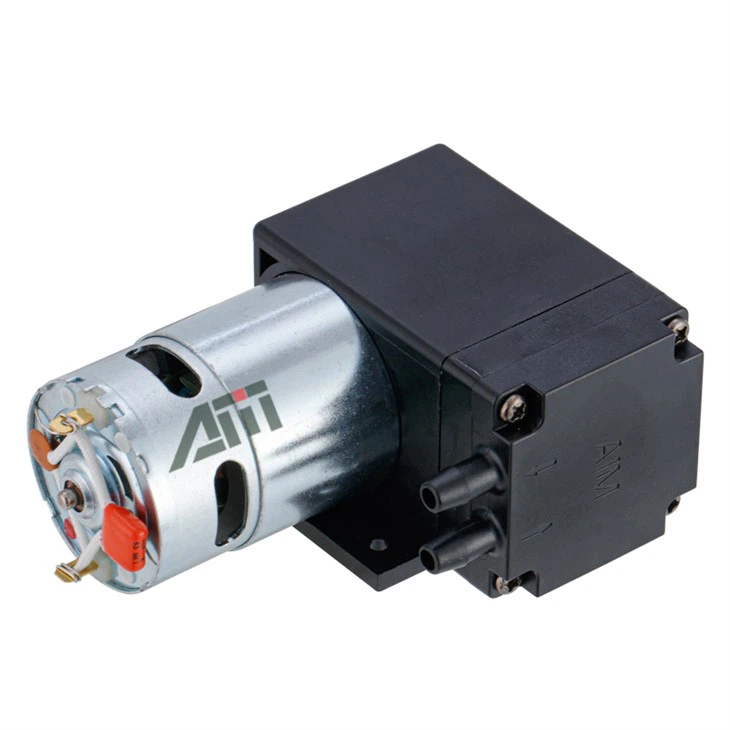
At our company, we offer a range of vacuum sealer machine pumps to meet different needs. Whether you're looking for a pump for cooking machines, medical therapy, or household storage suction, we have the right solution for you.
- Micro vacuum pump for cooking machine: This pump is designed specifically for cooking machines, providing a reliable and efficient vacuum for food preservation.
- Micro vacuum pump for medical therapy: Our medical therapy pumps are designed to meet the strict requirements of the medical industry, ensuring safety and effectiveness.
- Micro vacuum pump for household storage suction: This pump is perfect for household use, providing a convenient way to seal and store food, clothing, and other items.
Making the Decision
So, does a vacuum sealer machine pump need a pressure gauge? The answer depends on your specific needs and requirements. If you need precise control over the vacuum level, or if you're using the pump in a professional or industrial setting, a pressure gauge is definitely a good investment. On the other hand, if you're using the pump for basic household use, a pressure gauge may not be necessary.
If you're still not sure whether a pressure gauge is right for you, feel free to contact us. Our team of experts can help you choose the right vacuum sealer machine pump for your needs and answer any questions you may have. We're here to help you make the best decision for your business or household.
Conclusion
In conclusion, a pressure gauge can be a useful tool for monitoring and controlling the performance of a vacuum sealer machine pump. It can help you achieve a more consistent vacuum level, catch potential problems early, and ensure the safety and effectiveness of your vacuum sealer. However, whether or not you need a pressure gauge depends on your specific needs and requirements.
If you're interested in learning more about our vacuum sealer machine pumps or have any questions, please don't hesitate to contact us. We're always happy to help and look forward to working with you.
References
- "Vacuum Technology Handbook" by O'Hanlon, John F.
- "Industrial Vacuum Technology" by Reissner, E.