

Oil leakage in a sealing machine vacuum pump can be a frustrating issue that not only affects the performance of the equipment but also leads to potential safety hazards and increased maintenance costs. As a trusted supplier of sealing machine vacuum pumps, we understand the challenges that come with dealing with such problems. In this blog post, we will share some practical tips and solutions on how to effectively deal with the oil leakage of a sealing machine vacuum pump.
Understanding the Causes of Oil Leakage
Before we delve into the solutions, it's crucial to understand the root causes of oil leakage in a sealing machine vacuum pump. Here are some common factors that can contribute to this problem:
- Worn Seals and Gaskets: Over time, the seals and gaskets in the vacuum pump can wear out due to continuous use, high temperatures, and exposure to chemicals. This can result in gaps and cracks, allowing oil to leak out.
- Loose Fittings and Connections: If the fittings and connections in the vacuum pump are not properly tightened, it can lead to oil leakage. This can happen due to vibrations during operation or improper installation.
- Overfilling of Oil: Adding too much oil to the vacuum pump can cause the oil to overflow and leak out. It's important to follow the manufacturer's guidelines when filling the oil to avoid this issue.
- Damaged Pump Components: Damage to the pump components, such as the impeller, bearings, or housing, can also cause oil leakage. This can be due to wear and tear, improper maintenance, or external factors like impact or corrosion.
- High Operating Temperatures: Excessive heat can cause the oil to thin out and leak more easily. This can be a result of overworking the pump, poor ventilation, or a malfunctioning cooling system.
Identifying the Source of Oil Leakage
Once you have determined the possible causes of oil leakage, the next step is to identify the exact source of the problem. Here are some methods you can use to pinpoint the leak:
- Visual Inspection: Carefully examine the vacuum pump for any visible signs of oil leakage, such as oil stains, drips, or puddles. Pay close attention to the seals, gaskets, fittings, and connections.
- Pressure Testing: If the leakage is not obvious, you can perform a pressure test to check for any leaks in the system. This involves pressurizing the pump and looking for any signs of oil escaping.
- Ultrasonic Leak Detection: Ultrasonic leak detectors can be used to detect leaks that are not visible to the naked eye. These detectors use ultrasonic waves to detect the sound of air or liquid escaping from the pump.
Solutions for Dealing with Oil Leakage
Once you have identified the source of the oil leakage, here are some solutions you can implement to fix the problem:
- Replace Worn Seals and Gaskets: If the seals and gaskets are worn out, they should be replaced immediately. Make sure to use high-quality replacement parts that are compatible with your vacuum pump.
- Tighten Loose Fittings and Connections: Check all the fittings and connections in the vacuum pump and tighten them if necessary. Use a torque wrench to ensure that they are tightened to the correct specifications.
- Drain Excess Oil: If the oil has been overfilled, drain the excess oil until the oil level is within the recommended range. Be careful not to spill the oil, as it can be hazardous to the environment.
- Repair or Replace Damaged Components: If any of the pump components are damaged, they should be repaired or replaced as soon as possible. This may require the help of a professional technician.
- Improve Ventilation and Cooling: If the oil leakage is due to high operating temperatures, improve the ventilation and cooling of the vacuum pump. This can be done by installing fans, cooling fins, or a cooling system.
- Regular Maintenance: To prevent oil leakage from occurring in the future, it's important to perform regular maintenance on your vacuum pump. This includes changing the oil, cleaning the filters, and inspecting the seals and gaskets.
Importance of Choosing the Right Vacuum Pump
To minimize the risk of oil leakage and other problems, it's important to choose the right vacuum pump for your sealing machine. Here are some factors to consider when selecting a vacuum pump:
- Capacity: The capacity of the vacuum pump should be sufficient to meet the requirements of your sealing machine. Make sure to choose a pump with the appropriate flow rate and vacuum level.
- Quality: Choose a vacuum pump that is made from high-quality materials and has a good reputation for reliability and durability. Look for pumps that are backed by a warranty.
- Compatibility: Ensure that the vacuum pump is compatible with your sealing machine and the type of packaging you are using. Some pumps may not be suitable for certain applications or materials.
- Energy Efficiency: Consider choosing an energy-efficient vacuum pump to reduce your operating costs. Look for pumps that have a high efficiency rating and are designed to consume less power.
Our Product Recommendations
As a leading supplier of sealing machine vacuum pumps, we offer a wide range of high-quality products to meet the needs of our customers. Here are some of our recommended products:

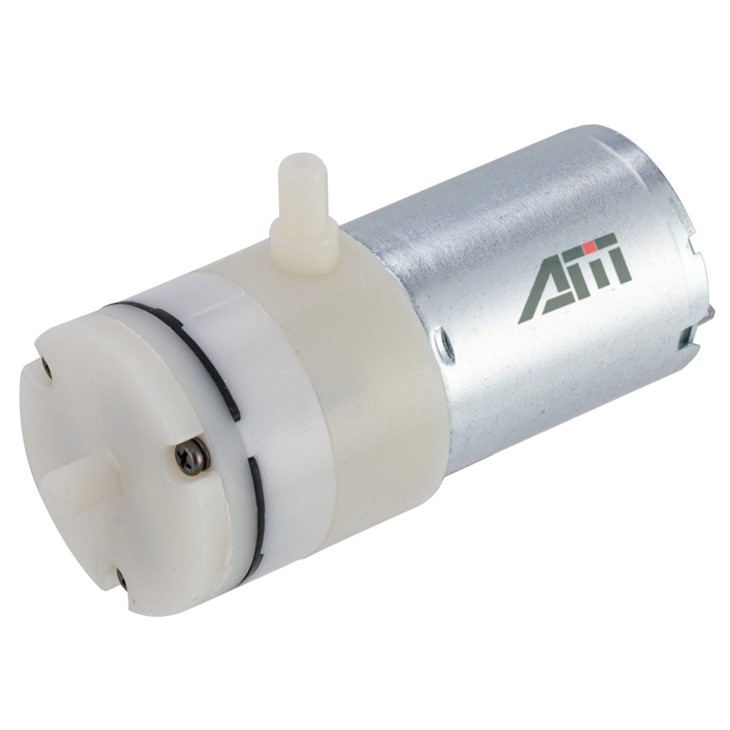
- Micro vacuum pump for sealing machine: This micro vacuum pump is specifically designed for sealing machines. It features a compact design, low noise level, and high performance.
- Mini vacuum pump for breast pump: This mini vacuum pump is ideal for breast pumps. It is lightweight, portable, and easy to use.
- Micro vacuum pump for packaging machine: This micro vacuum pump is suitable for packaging machines. It offers a high vacuum level and reliable performance.
Contact Us for Procurement
If you are experiencing oil leakage or any other issues with your sealing machine vacuum pump, or if you are looking to purchase a new vacuum pump, please feel free to contact us. Our team of experts is ready to assist you with your needs and provide you with the best solutions. We are committed to providing high-quality products and excellent customer service.
References
- "Vacuum Pump Handbook" by CRC Press
- "Industrial Vacuum Technology" by John F. O'Hanlon
- Manufacturer's manuals and technical specifications for sealing machine vacuum pumps