

Hey there! As a supplier of fresh-keeping vacuum pumps, I know how important it is to keep these pumps clean. A clean vacuum pump not only performs better but also lasts longer. In this blog, I'll share some tips on how to clean a fresh-keeping vacuum pump.
Why Cleaning is Crucial
First off, let's talk about why cleaning your fresh-keeping vacuum pump is so important. Over time, dirt, dust, and debris can build up inside the pump. This can clog the internal components, making the pump work harder and less efficiently. It can also lead to overheating and even damage the pump in the long run. Regular cleaning helps to prevent these issues and ensures that your pump is always in top-notch condition.
Tools You'll Need
Before you start cleaning your vacuum pump, you'll need to gather a few tools. Here's what you'll typically need:
- A soft brush: This can be used to gently remove dust and debris from the exterior and interior of the pump.
- A clean, lint-free cloth: For wiping down the surfaces of the pump.
- A mild detergent: Make sure it's suitable for use on the materials of your vacuum pump. Avoid using harsh chemicals that could damage the pump.
- Compressed air: This is great for blowing out any stubborn dirt or debris from hard-to-reach areas.
Step-by-Step Cleaning Process
Step 1: Power Off and Disconnect
The first and most important step is to turn off the vacuum pump and unplug it from the power source. This is a safety precaution to prevent any electrical accidents while you're cleaning. Also, disconnect the pump from any hoses or other attachments.
Step 2: Clean the Exterior
Use the soft brush to gently remove any dust or dirt from the outside of the pump. Pay special attention to the vents and grilles, as these areas can easily get clogged. After brushing, use the lint-free cloth to wipe down the exterior. If there are any stubborn stains, you can dampen the cloth with a small amount of the mild detergent and gently clean the area. Make sure to dry the exterior thoroughly to prevent rust or corrosion.
Step 3: Check and Clean the Filters
Most fresh-keeping vacuum pumps have filters that help to trap dust and debris. Locate the filters and remove them according to the manufacturer's instructions. Some filters can be washed with water and mild detergent, while others may need to be replaced. If you're washing the filter, make sure it's completely dry before reinstalling it. A dirty or clogged filter can significantly reduce the performance of the pump, so keeping it clean is essential.
Step 4: Clean the Interior
This step requires a bit more care. Use the compressed air to blow out any dirt or debris from the internal components of the pump. Start from the top and work your way down, making sure to reach all the nooks and crannies. Be careful not to blow the dirt further into the pump. You can also use the soft brush to gently clean any areas that the compressed air can't reach. Just be gentle to avoid damaging any delicate parts.
Step 5: Reassemble and Test
Once you've finished cleaning the interior, carefully reassemble the pump. Make sure all the parts are properly installed and tightened. Reconnect the hoses and other attachments. Plug the pump back in and turn it on to test if it's working properly. Listen for any unusual noises or vibrations, which could indicate that something is not right.
Specific Cleaning Tips for Different Models
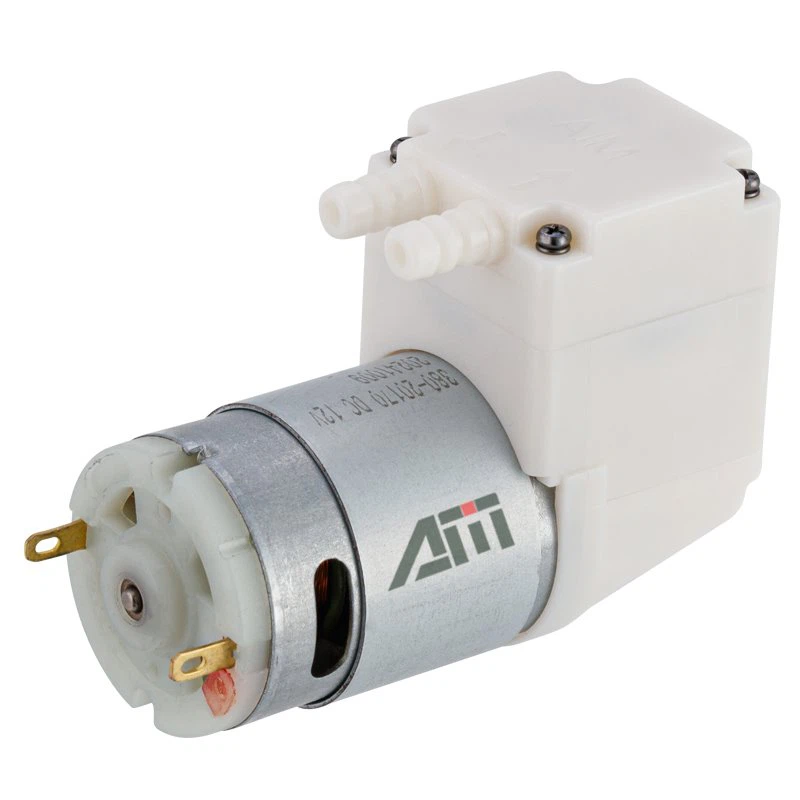
We offer a range of fresh-keeping vacuum pumps, such as the AM530HPM Micro Vacuum Pump, AM370GPV Micro Vacuum Pump, and AM380DPV Micro Vacuum Pump. While the general cleaning process is similar for all these models, there may be some specific details to keep in mind.
For the AM530HPM Micro Vacuum Pump, the filter is located on the side of the pump. It's relatively easy to remove and clean. Just make sure to dry it thoroughly before putting it back in.
The AM370GPV Micro Vacuum Pump has a more compact design, so you'll need to be extra careful when cleaning the interior. Use the compressed air carefully to avoid dislodging any small parts.
The AM380DPV Micro Vacuum Pump has a unique ventilation system. Make sure to clean the vents regularly to ensure proper air circulation.
Frequency of Cleaning
How often you should clean your fresh-keeping vacuum pump depends on how often you use it. If you use the pump frequently, it's a good idea to clean it every few months. If it's used less often, you can clean it once or twice a year. However, if you notice a decrease in performance or if the pump starts making unusual noises, it's a sign that it may need cleaning sooner.
Conclusion
Cleaning your fresh-keeping vacuum pump is a simple but important task that can significantly extend the life of your pump and ensure its optimal performance. By following the steps and tips outlined in this blog, you can keep your vacuum pump in great condition.
If you're in the market for a high-quality fresh-keeping vacuum pump or have any questions about cleaning or maintenance, feel free to reach out. We're here to help you find the right pump for your needs and provide you with all the support you need.

References
- Manufacturer's manuals for AM530HPM Micro Vacuum Pump, AM370GPV Micro Vacuum Pump, and AM380DPV Micro Vacuum Pump.
- General knowledge on vacuum pump maintenance and cleaning.