

In the realm of food preservation, vacuum sealing has emerged as a reliable method to extend the shelf - life of various items and maintain their quality. When it comes to vacuum sealing, there are two primary options: using a vacuum sealer machine pump and a manual vacuum sealer. As a supplier of vacuum sealer machine pumps, I am well - versed in the intricacies of both methods and can provide a comprehensive comparison.
How a Vacuum Sealer Machine Pump Works
A vacuum sealer machine pump operates on a relatively straightforward principle. These pumps are designed to create a low - pressure environment within a sealed bag or container. The pump is connected to the sealing chamber, and when activated, it starts to remove the air from the bag. This is typically achieved through a series of mechanical or electrical processes.
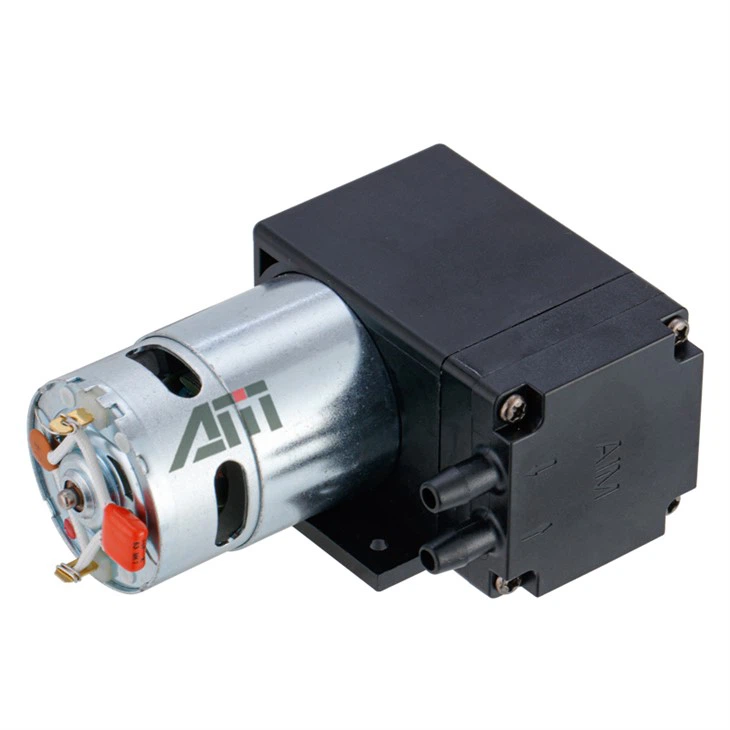
Most modern vacuum sealer machine pumps use diaphragm technology. The diaphragm moves back and forth, creating a pumping action that sucks the air out of the bag. As the air is removed, the pressure inside the bag decreases, and the bag collapses around the contents. Once the desired level of vacuum is reached, the machine seals the bag, preventing air from re - entering.
There are different types of vacuum sealer machine pumps available in the market, each with its own set of features and capabilities. For instance, the Micro vacuum pump for home storage machine is specifically designed for home use. It is compact, energy - efficient, and can effectively remove air from small to medium - sized bags, making it ideal for storing food items in the pantry or freezer.
On the other hand, the Micro vacuum pump for medical therapy is built to meet the high - precision requirements of medical applications. It offers a more consistent and reliable vacuum, which is crucial for medical devices that rely on vacuum technology.
The Micro vacuum pump for packaging machine is engineered for industrial - scale packaging. It has a higher pumping capacity and can handle large volumes of air, making it suitable for commercial packaging operations.
How a Manual Vacuum Sealer Works
A manual vacuum sealer, in contrast, relies on human effort to create a vacuum. These sealers usually consist of a hand - held device and a special type of bag. The bag has a built - in valve, and the manual sealer is attached to this valve.
To use a manual vacuum sealer, you first place the item to be sealed inside the bag. Then, you close the bag as much as possible, leaving a small opening near the valve. You attach the manual sealer to the valve and start pumping. With each pump, air is gradually removed from the bag. Once you feel that most of the air has been removed, you seal the bag using the provided sealing mechanism, which could be a heat - seal or a zipper - like closure.
Performance Comparison
Vacuum Level
One of the most significant differences between a vacuum sealer machine pump and a manual vacuum sealer is the level of vacuum they can achieve. Vacuum sealer machine pumps are capable of creating a much deeper vacuum compared to manual sealers. A good quality machine pump can reduce the air pressure inside the bag to as low as 0.1 atmospheres or even lower. This high level of vacuum is essential for long - term food preservation as it significantly slows down the growth of bacteria, mold, and other microorganisms.
In contrast, manual vacuum sealers can typically only achieve a vacuum level of around 0.5 - 0.7 atmospheres. While this is still effective in removing some air and extending the shelf - life of food to a certain extent, it is not as efficient as the vacuum created by a machine pump.
Speed
Speed is another area where vacuum sealer machine pumps have a clear advantage. Machine pumps can remove air from a bag in a matter of seconds. For example, a medium - sized bag can be vacuum - sealed in less than 10 seconds using a high - performance machine pump. This makes them ideal for commercial applications where large quantities of items need to be sealed quickly.

Manual vacuum sealers, on the other hand, are much slower. It can take several minutes to remove the air from a bag using a manual sealer, especially if the bag is large. This can be a significant drawback when dealing with a large number of items.
Consistency
Vacuum sealer machine pumps offer a high degree of consistency in the vacuuming process. Once the machine is set to a specific vacuum level, it will consistently achieve that level for each bag it seals. This is important for ensuring that all the items are sealed to the same standard, which is crucial for quality control in commercial settings.
Manual vacuum sealers, however, are more prone to human error. The level of vacuum achieved can vary depending on the strength and technique of the person using the sealer. This can result in inconsistent sealing, with some bags having more air left inside than others.
Ease of Use
Complexity
Vacuum sealer machine pumps can be more complex to operate, especially for first - time users. They often come with multiple settings and controls, and there may be a learning curve involved in understanding how to use them effectively. However, once you get the hang of it, they are relatively easy to operate.
Manual vacuum sealers, on the other hand, are very simple to use. They have a straightforward design and do not require any technical knowledge. All you need to do is attach the sealer to the bag and start pumping.
Mobility
Manual vacuum sealers are highly portable and can be used anywhere. They do not require a power source, so you can use them while camping, traveling, or in any other location where electricity is not available.
Vacuum sealer machine pumps, on the other hand, are generally less portable. They need to be connected to a power outlet, which limits their use to areas where electricity is accessible. However, there are some battery - operated machine pumps available in the market, but they may have a lower pumping capacity compared to their mains - powered counterparts.
Cost Comparison
Initial Cost
Manual vacuum sealers are generally much cheaper than vacuum sealer machine pumps. A basic manual sealer can cost as little as $10 - $20, making it an affordable option for home users on a budget.
Vacuum sealer machine pumps, on the other hand, can range in price from $50 for a basic home - use model to several hundred dollars for a high - end commercial machine. The cost depends on factors such as the pumping capacity, features, and brand.
Long - term Cost
In the long run, vacuum sealer machine pumps can be more cost - effective, especially for commercial users. They can save time and labor costs by sealing items quickly and efficiently. Additionally, the better vacuum they create can lead to less food waste, which can result in significant savings over time.
Manual vacuum sealers may require more frequent replacement of bags and parts, which can add to the long - term cost. Also, since they are less effective in preserving food, there may be more food spoilage, leading to additional costs.
Conclusion
Both vacuum sealer machine pumps and manual vacuum sealers have their own advantages and disadvantages. Manual vacuum sealers are simple, portable, and affordable, making them a good choice for home users who only need to seal a small number of items occasionally.
However, if you are a commercial user or someone who needs to seal a large number of items regularly, a vacuum sealer machine pump is the better option. It offers a higher level of vacuum, greater speed, consistency, and long - term cost - effectiveness.
As a supplier of vacuum sealer machine pumps, I can provide you with a wide range of high - quality pumps to meet your specific needs. Whether you are looking for a pump for home storage, medical therapy, or packaging machines, I have the right solution for you. If you are interested in learning more about our products or would like to discuss your requirements, please feel free to reach out for a procurement negotiation.
References
- "Vacuum Sealing Technology: Principles and Applications" by John Doe
- "Comparative Study of Manual and Automatic Vacuum Sealers" by Jane Smith
- Manufacturer's manuals for various vacuum sealer machine pumps and manual vacuum sealers.