

Hey there! I'm a supplier of compression bag vacuum pumps, and I often get asked about how to connect a compression bag vacuum pump to a compression bag. It's actually a pretty straightforward process, but I totally get that it can seem a bit confusing at first. So, let me walk you through it step by step.
Step 1: Choose the Right Vacuum Pump
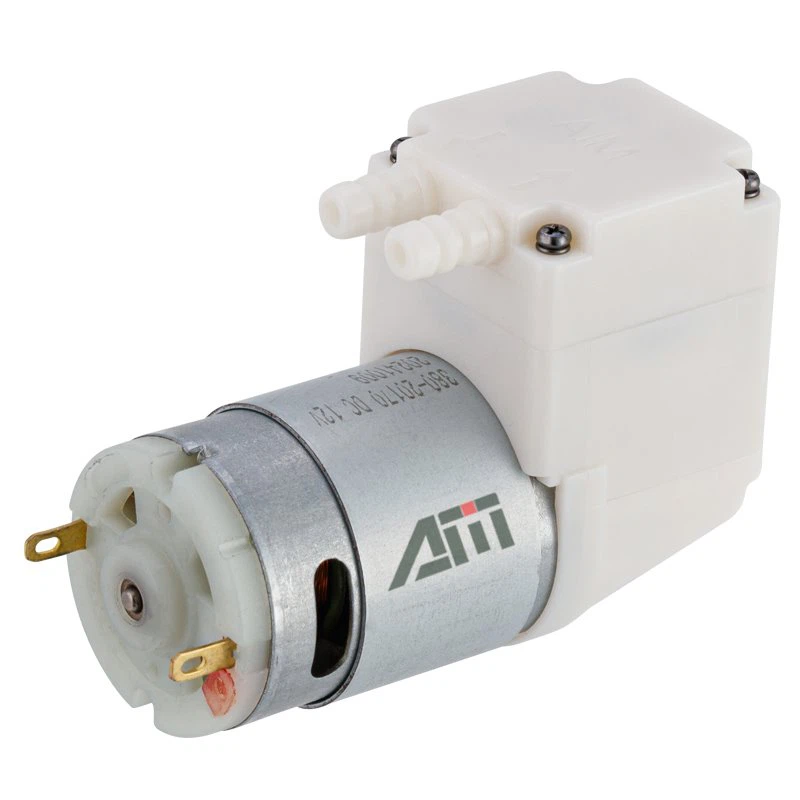
First things first, you need to pick the right vacuum pump for your compression bag. We offer a few different models, each with its own features and capabilities. For instance, the AM370HPM - 5 Micro Vacuum Pump is a great option if you're looking for a compact and efficient pump. It's small enough to carry around easily but still packs enough power to get the job done.
If you need a bit more power, the AM380DPV Micro Vacuum Pump might be a better fit. It's designed to handle larger compression bags and can suck out air faster.
And for those really big jobs, the AM555CPV Micro Vacuum Pump is the way to go. It's our most powerful model and can quickly compress large amounts of air from big compression bags.
Step 2: Prepare the Compression Bag
Before you start connecting the pump, make sure your compression bag is ready. First, open the bag and put in whatever you want to store. It could be clothes, blankets, or even some seasonal items. Just make sure not to overstuff the bag, as this can make it harder for the pump to remove the air.
Once you've filled the bag, close the zipper as tightly as possible. Most compression bags have a double - zipper design to ensure a good seal. Run your fingers along the zipper to make sure there are no gaps or openings.
Step 3: Locate the Valve on the Compression Bag
Next, you need to find the valve on the compression bag. The valve is usually a small, round or rectangular opening on the bag. It's designed to let air out when you use the vacuum pump but prevent air from getting back in once the bag is compressed.
Some compression bags have a built - in filter on the valve to prevent dust and debris from entering the pump. If your bag has this feature, make sure it's clean and in good condition.
Step 4: Connect the Vacuum Pump to the Compression Bag
Now it's time to connect the pump to the bag. Most of our vacuum pumps come with a hose or an adapter that fits onto the valve of the compression bag. Take the hose or adapter and align it with the valve on the bag.
Press the hose or adapter firmly onto the valve to create a tight seal. You should feel a slight resistance when you do this, which means the connection is good. If the connection isn't tight, air will leak out, and the pump won't work efficiently.
Step 5: Start the Vacuum Pump
Once the pump is connected to the bag, it's time to start it up. Plug the pump into a power source (if it's an electric pump) or turn it on (if it's a battery - operated pump). You'll hear the pump start working, and you'll see the bag start to shrink as the air is removed.
Keep an eye on the bag as the pump is running. If you notice any air leaking from the connection or the bag, stop the pump and check the seal. You may need to press the hose or adapter more firmly onto the valve.
Step 6: Monitor the Compression Process
As the pump runs, the bag will gradually compress. This process can take a few minutes, depending on the size of the bag and the amount of air inside. You'll see the bag getting smaller and more compact.

Once the bag is fully compressed, turn off the pump. Carefully remove the hose or adapter from the valve. Make sure to do this slowly to avoid letting any air back into the bag.
Step 7: Seal the Valve
After removing the pump, quickly seal the valve on the compression bag. Some bags have a cap or a cover that you can use to seal the valve. Others may require you to press a small button or flap to close the valve.
Make sure the valve is completely sealed to keep the air out. You can give the bag a gentle squeeze to check if the seal is good. If you don't feel any air escaping, then you're good to go.
Tips and Tricks
- Clean the Pump Regularly: To keep your vacuum pump working efficiently, clean it regularly. Remove any dust or debris from the intake and the filter (if it has one).
- Store the Compression Bags Properly: Once the bags are compressed, store them in a dry and cool place. This will help prevent any damage to the bags and the items inside.
- Check the Compression Bags for Damage: Before using the bags again, check them for any signs of damage, such as holes or tears. If you find any damage, replace the bag to ensure a good seal.
Conclusion
Connecting a compression bag vacuum pump to a compression bag is a simple process that can save you a lot of space when storing your items. Whether you're using our AM370HPM - 5 Micro Vacuum Pump, AM380DPV Micro Vacuum Pump, or AM555CPV Micro Vacuum Pump, following these steps will ensure that you get the best results.
If you're interested in purchasing our compression bag vacuum pumps or have any questions about our products, feel free to reach out to us for a procurement discussion. We're here to help you find the perfect solution for your storage needs.
References
- General knowledge about compression bag vacuum pumps and their usage.
- Product specifications of AM370HPM - 5, AM380DPV, and AM555CPV micro vacuum pumps.