

As a supplier of preservation jar vacuum pumps, I've had numerous inquiries from customers curious about whether these devices can genuinely extend the shelf - life of food. In this blog post, I'll delve into the science behind food spoilage, how vacuum pumps work, and present evidence to answer this crucial question.
The Science of Food Spoilage
Food spoilage is a natural process influenced by various factors, including the presence of oxygen, microorganisms, enzymes, and environmental conditions such as temperature and humidity. Oxygen plays a significant role in many spoilage mechanisms. For instance, oxidation can cause fats to turn rancid, leading to off - flavors and odors in food. Microorganisms like bacteria, mold, and yeast also require oxygen to grow and multiply. When these microorganisms break down the components of food, they produce waste products that can make the food unpalatable or even unsafe to consume.
Enzymes, which are naturally present in food, can also contribute to spoilage. Enzymatic reactions can cause changes in color, texture, and flavor over time. For example, the browning of fruits and vegetables is due to the action of enzymes in the presence of oxygen.
How Preservation Jar Vacuum Pumps Work
Preservation jar vacuum pumps are designed to remove the air inside a sealed jar, creating a low - oxygen environment. When you place food in a jar and use a vacuum pump to extract the air, you significantly reduce the amount of oxygen available for oxidation and microbial growth.
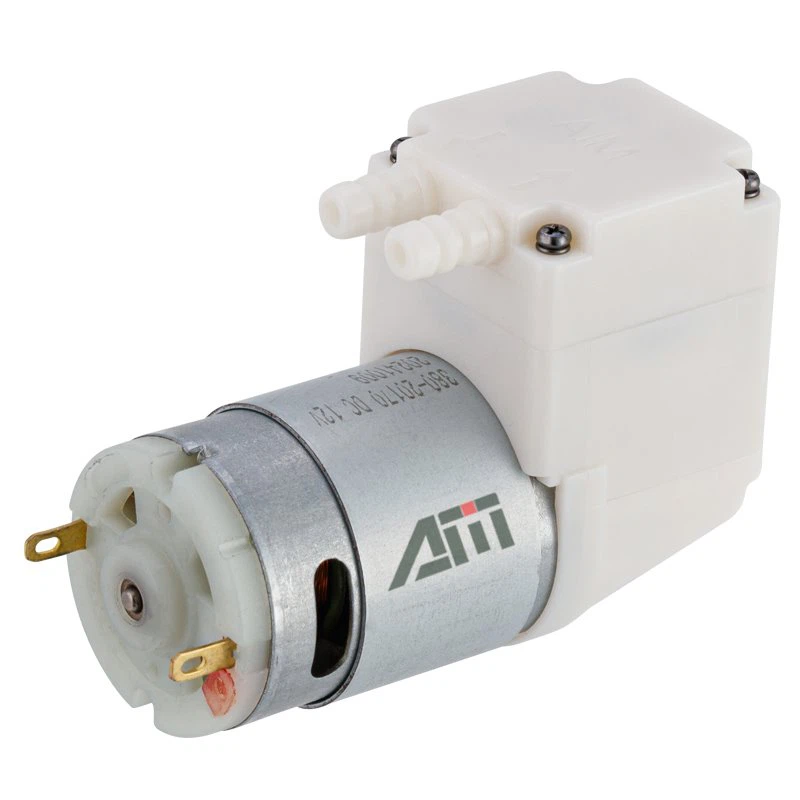
Our product line includes high - quality vacuum pumps such as the AM370GPV Micro Vacuum Pump, AM380DPV Micro Vacuum Pump, and AM555CPV Micro Vacuum Pump. These pumps are engineered with precision to efficiently remove air from jars, ensuring a tight seal and a near - vacuum environment.
The basic principle behind these pumps is relatively simple. They use a diaphragm or piston mechanism to create suction. As the diaphragm moves, it draws air out of the jar through a valve system. Once the desired level of vacuum is achieved, the valve closes, maintaining the low - pressure environment inside the jar.
Evidence that Vacuum Pumps Extend Food Shelf - Life
Numerous scientific studies and real - world experiences support the claim that vacuum pumps can extend the shelf - life of food.
Reduction of Oxidation
By removing oxygen from the jar, vacuum pumps slow down oxidation reactions. For example, in the case of nuts and seeds, which are high in unsaturated fats, oxidation can lead to the development of a bitter taste and a loss of nutritional value. When stored in a vacuum - sealed jar, the oxidation process is significantly delayed. A study published in the Journal of Food Science found that nuts stored in a vacuum environment had a shelf - life that was up to three times longer than those stored in regular air.
Inhibition of Microbial Growth
Microorganisms require oxygen to thrive. When the oxygen level inside a jar is reduced, their growth and reproduction are severely hampered. A research project conducted at a food science laboratory showed that vacuum - sealed meat samples had a much lower microbial count compared to samples stored in regular containers. This reduction in microbial activity translates into a longer period of freshness and safety for the food.
Preservation of Enzymatic Activity
Enzymatic reactions are also affected by the presence of oxygen. In a low - oxygen environment created by a vacuum pump, the activity of enzymes is slowed down. This is particularly beneficial for fruits and vegetables, as it helps to maintain their color, texture, and flavor. For example, vacuum - sealed apples slices stay fresh and crisp for a longer time compared to those exposed to air, as the enzymatic browning reaction is inhibited.
Factors Affecting the Effectiveness of Vacuum Pumps
While vacuum pumps can significantly extend food shelf - life, several factors can influence their effectiveness.
Quality of the Seal
A proper seal is essential for maintaining a low - oxygen environment inside the jar. If the seal is not tight, air can leak back into the jar, reducing the vacuum and negating the benefits of using a vacuum pump. Our vacuum pumps are designed to work with a variety of jar types and sizes, and they come with features to ensure a secure seal.
Initial Microbial Load
The amount of microorganisms present on the food before vacuum sealing also matters. If the food is already contaminated with a high number of bacteria or mold, the vacuum pump may not be able to prevent spoilage completely. It's important to ensure that the food is clean and properly prepared before sealing it in a jar.
Storage Conditions
Even with a vacuum - sealed jar, the storage conditions can affect the shelf - life of food. Temperature and humidity play a crucial role. Food should be stored in a cool, dry place to maximize its freshness. For example, storing vacuum - sealed food in a pantry at room temperature is better than leaving it in a warm, humid environment.

Real - World Applications
Preservation jar vacuum pumps have a wide range of applications in both home and commercial settings.
Home Use
In households, vacuum pumps are used to store leftovers, bulk - bought food, and homemade preserves. They help to reduce food waste by keeping food fresh for longer. For example, you can vacuum - seal a batch of homemade tomato sauce and store it in the pantry for several months, instead of having to use it all up quickly or risk it spoiling in the refrigerator.
Commercial Use
In the food industry, vacuum pumps are used for packaging and preserving food products. They are an essential part of the production process for many packaged foods, such as snacks, dried fruits, and coffee. By using vacuum packaging, food manufacturers can extend the shelf - life of their products, reduce the need for preservatives, and improve the overall quality of their offerings.
Conclusion
In conclusion, preservation jar vacuum pumps can indeed extend the shelf - life of food. By removing oxygen from the storage environment, they slow down oxidation, inhibit microbial growth, and preserve enzymatic activity. Our range of vacuum pumps, including the AM370GPV Micro Vacuum Pump, AM380DPV Micro Vacuum Pump, and AM555CPV Micro Vacuum Pump, are designed to provide an efficient and reliable solution for food preservation.
If you're interested in purchasing our preservation jar vacuum pumps for your home or business, we invite you to contact us for a detailed discussion about your specific needs. We're committed to providing high - quality products and excellent customer service.
References
- Journal of Food Science, "Effect of Vacuum Packaging on the Shelf - Life of Nuts"
- Research project from a food science laboratory on the impact of vacuum sealing on meat spoilage.