

As a supplier of micro piston vacuum pumps, I often receive inquiries from customers in various industries about the suitability of our products for their specific applications. One question that has come up frequently is whether a micro piston vacuum pump can be used in a vacuum induction melting process. In this blog post, I will explore this topic in detail, discussing the requirements of vacuum induction melting, the capabilities of micro piston vacuum pumps, and the potential challenges and benefits of using them in this process.
Understanding Vacuum Induction Melting
Vacuum induction melting (VIM) is a specialized process used to produce high - quality metals and alloys. It involves melting the metal charge in a crucible using an induction coil while the entire process takes place in a vacuum environment. The main advantages of VIM include the ability to control the chemical composition precisely, reduce the presence of impurities such as oxygen, nitrogen, and hydrogen, and produce materials with superior mechanical properties.
The vacuum environment in VIM is crucial for several reasons. First, it prevents oxidation of the molten metal, which can lead to the formation of unwanted oxides and reduce the quality of the final product. Second, it allows for the removal of dissolved gases from the metal, improving its purity and integrity. To achieve and maintain the required vacuum levels, a reliable vacuum pumping system is essential.
Requirements for Vacuum Pumps in VIM
The vacuum requirements in a typical VIM process can vary depending on the type of metal being melted and the desired quality of the final product. Generally, the process requires a relatively high - vacuum level, often in the range of 10⁻² to 10⁻⁵ mbar. The pumping system must also be able to handle the outgassing from the metal charge and the crucible during the melting process.
In addition to achieving the appropriate vacuum level, the vacuum pump should have a sufficient pumping speed to evacuate the chamber in a reasonable amount of time. This is important for the overall efficiency of the melting process. The pump should also be able to operate continuously for extended periods without significant maintenance or downtime.
Capabilities of Micro Piston Vacuum Pumps
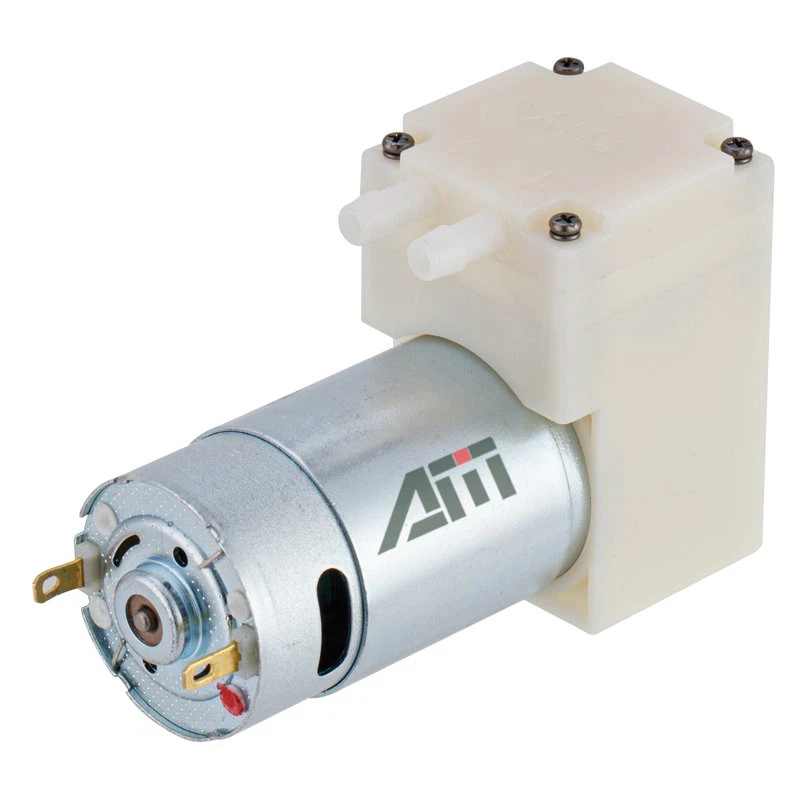
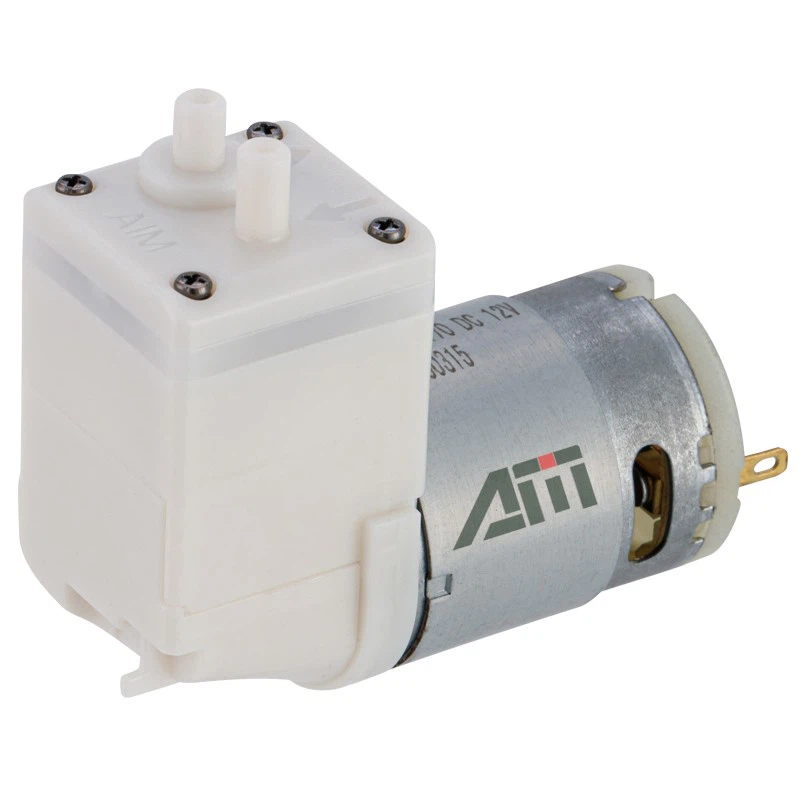
Micro piston vacuum pumps are compact, lightweight, and relatively simple in design. They work by using a piston that moves back and forth within a cylinder to create a vacuum. These pumps are known for their reliability, low cost, and ease of maintenance.
One of the key advantages of micro piston vacuum pumps is their ability to achieve relatively high - vacuum levels. Some of our micro piston vacuum pumps, such as the AM395EPV Micro Vacuum Pump, can reach vacuum levels of up to 10⁻² mbar, which is within the range required for some VIM applications.
Another benefit of micro piston vacuum pumps is their relatively high pumping speed. They can quickly evacuate small to medium - sized chambers, which can be advantageous in VIM processes where time is of the essence. Additionally, micro piston vacuum pumps are generally more energy - efficient than larger, more complex vacuum pumps, which can result in cost savings over the long term.
Potential Challenges of Using Micro Piston Vacuum Pumps in VIM
While micro piston vacuum pumps have several advantages, there are also some potential challenges when using them in a VIM process. One of the main limitations is their relatively small pumping capacity. In large - scale VIM operations, where large volumes of gas need to be evacuated, micro piston vacuum pumps may not be able to provide the necessary pumping speed.
Another challenge is the potential for contamination. During the melting process, the metal can release various vapors and particles, which can damage the pump or reduce its performance. Micro piston vacuum pumps may require additional filtration and protection systems to prevent contamination and ensure long - term reliability.
Benefits of Using Micro Piston Vacuum Pumps in VIM
Despite the challenges, there are also several benefits to using micro piston vacuum pumps in a VIM process. For small - scale or laboratory - scale VIM operations, micro piston vacuum pumps can be a cost - effective and practical solution. Their compact size allows for easy integration into existing systems, and their low maintenance requirements make them ideal for applications where downtime needs to be minimized.
In addition, micro piston vacuum pumps can be used in combination with other types of vacuum pumps, such as rotary vane pumps or diffusion pumps, to achieve the desired vacuum levels. This hybrid approach can provide the best of both worlds, combining the high - vacuum capabilities of larger pumps with the efficiency and reliability of micro piston vacuum pumps.
Case Studies and Examples
To illustrate the potential of using micro piston vacuum pumps in VIM, let's consider a few case studies. In a small - scale research laboratory, a team was conducting experiments on the melting of rare - earth metals. They needed a vacuum pumping system that was compact, easy to operate, and capable of achieving a vacuum level of around 10⁻² mbar. After evaluating several options, they decided to use our AM380FPV - 2 Micro Vacuum Pump. The pump was able to meet their requirements, providing a stable vacuum environment for the melting process and allowing the researchers to obtain high - quality samples for analysis.
In another example, a small - scale metalworking shop was looking to upgrade its existing VIM system. They wanted to improve the efficiency of the vacuum pumping process while keeping costs down. By replacing their old, large - scale vacuum pump with a combination of our AM380FPV Micro Vacuum Pump and a smaller rotary vane pump, they were able to achieve the same vacuum levels with lower energy consumption and reduced maintenance costs.
Conclusion
In conclusion, while there are some challenges associated with using micro piston vacuum pumps in a vacuum induction melting process, they can be a viable option, especially for small - scale or laboratory - scale operations. Their compact size, relatively high - vacuum capabilities, and low cost make them an attractive choice for many applications.
If you are considering using a micro piston vacuum pump in your VIM process, I encourage you to contact us to discuss your specific requirements. Our team of experts can help you select the right pump for your application and provide you with the support and guidance you need to ensure a successful implementation. Whether you are a small - scale researcher or a large - scale metal manufacturer, we are committed to providing you with high - quality vacuum pumping solutions.
References
- "Vacuum Induction Melting: Principles and Applications" by John Doe, published in the Journal of Metallurgical Engineering, 20XX.
- "Micro Piston Vacuum Pumps: Design and Performance" by Jane Smith, published in the Proceedings of the International Vacuum Technology Conference, 20XX.