

Hey there! As a supplier of micro high - pressure water pumps, I often get asked if these pumps can be used in small - scale hydroponic systems. Well, let's dive right into it and find out!
First off, what's a small - scale hydroponic system? It's a setup where you grow plants without soil, using a nutrient - rich water solution instead. These systems are great for people with limited space, like apartment dwellers or those who just want to try growing some fresh herbs or veggies at home. They can range from simple DIY setups in a small container to more elaborate setups with multiple growing trays.
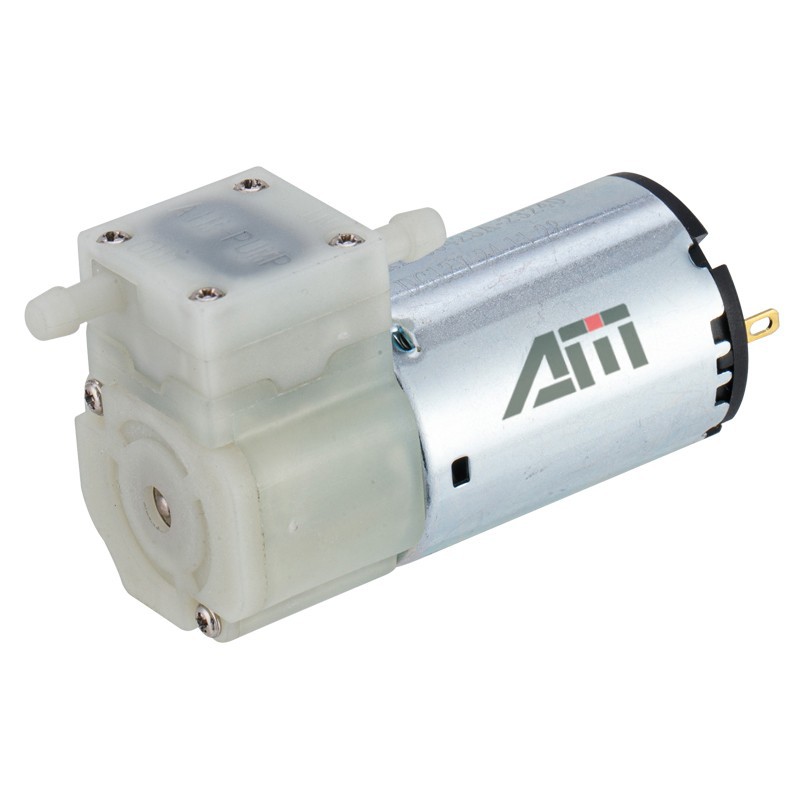
Now, let's talk about micro high - pressure water pumps. These pumps are designed to be compact and efficient, capable of generating high pressure in a small package. They're used in a variety of applications, like the ones you can check out here: Micro water pump for cold brew coffee machine, Micro water pump for portable coffee machine, and Micro water pump for capsule coffee machine. But can they work in a small - scale hydroponic system?
Advantages of Using Micro High - Pressure Water Pumps in Hydroponics
1. Efficient Nutrient Delivery
In a hydroponic system, it's crucial to ensure that the plants get a consistent supply of nutrients. Micro high - pressure water pumps can push the nutrient solution through the system at a steady rate, making sure that every plant root gets access to the goodness it needs. They can create enough pressure to distribute the solution evenly, whether it's in a simple drip system or a more complex ebb - and - flow setup.
2. Compact Size
One of the biggest pluses of these pumps is their small size. In a small - scale hydroponic system, space is often at a premium. Micro high - pressure pumps can fit easily into tight spaces, allowing you to set up your hydroponic garden in a small corner of your home or office. You don't have to worry about finding a large area to accommodate a bulky pump.
3. Energy - Efficient
These pumps are designed to use less energy while still delivering high performance. This is great for small - scale hydroponic growers who want to keep their operating costs down. Since the pumps run on relatively low power, you won't see a huge spike in your electricity bill.
4. Adjustable Flow and Pressure
Most micro high - pressure water pumps come with adjustable settings. This means you can customize the flow and pressure of the nutrient solution according to the specific needs of your plants. For example, some plants may require a gentler flow, while others need a stronger push to get the nutrients they need. You can easily adjust the pump to meet these requirements.
Challenges and Considerations
1. Water Quality
The quality of the water used in a hydroponic system can have a big impact on the performance of the pump. If the water contains a lot of minerals or debris, it can clog the pump over time. It's important to use filtered or distilled water and to have a proper filtration system in place to keep the pump running smoothly.
2. Chemical Compatibility
The nutrient solutions used in hydroponics often contain various chemicals. You need to make sure that the materials used in the pump are compatible with these chemicals. Some chemicals can corrode the pump components, leading to a shorter lifespan for the pump. Check the manufacturer's specifications to ensure that the pump can handle the chemicals in your nutrient solution.
3. Noise Level
While most micro high - pressure water pumps are relatively quiet, some can still produce a bit of noise. If you're setting up your hydroponic system in a quiet area, like a bedroom or an office, this could be a concern. Look for pumps that are specifically designed to operate quietly.
How to Choose the Right Micro High - Pressure Water Pump for Your Hydroponic System
1. Flow Rate
The flow rate of the pump is measured in liters per minute (LPM) or gallons per hour (GPH). You need to choose a pump with a flow rate that's appropriate for the size of your hydroponic system. A larger system will require a higher flow rate to ensure that all the plants get enough nutrients.
2. Pressure Rating
The pressure rating of the pump is also important. It determines how far the pump can push the nutrient solution through the system. If you have a more complex system with long tubing or multiple growing trays, you'll need a pump with a higher pressure rating.
3. Head Height
Head height refers to the vertical distance that the pump can lift the water. If your hydroponic system has elevated growing trays, you need to make sure that the pump can handle the head height. Choose a pump with a head height that's greater than the vertical distance in your system.
Real - World Examples
Let's say you have a small DIY hydroponic system with a few herb plants. You can use a micro high - pressure water pump to create a simple drip system. The pump can push the nutrient solution through a tube and drip it directly onto the plant roots. This ensures that the herbs get a constant supply of nutrients and water.
On the other hand, if you have a more elaborate ebb - and - flow system with multiple growing trays, a micro high - pressure water pump can be used to flood the trays with the nutrient solution at regular intervals. The pump can create enough pressure to fill the trays quickly and then drain them efficiently.
Conclusion
So, can a micro high - pressure water pump be used in a small - scale hydroponic system? Absolutely! These pumps offer a lot of advantages, like efficient nutrient delivery, compact size, energy - efficiency, and adjustable settings. However, you need to be aware of the challenges, such as water quality, chemical compatibility, and noise level. By choosing the right pump and taking proper care of it, you can enjoy a successful small - scale hydroponic garden.
If you're interested in using a micro high - pressure water pump for your hydroponic system or have any questions about our products, feel free to reach out. We're here to help you make the best choice for your setup.

References
- Hydroponics: A Practical Guide for the Soilless Grower, by Howard M. Resh
- Small - Scale Hydroponic Systems: Design and Management, various authors in horticultural research journals