

As a supplier of fresh-keeping vacuum pumps, I often encounter inquiries from customers about various technical aspects of our products. One question that comes up frequently is, "What is the starting torque of a fresh-keeping vacuum pump?" In this blog post, I will delve into the concept of starting torque, its significance in fresh-keeping vacuum pumps, and how it impacts the performance of our products.
Understanding Starting Torque
Starting torque refers to the amount of torque required to initiate the rotation of the pump's motor from a stationary state. It is a crucial parameter in the operation of any motor-driven device, including fresh-keeping vacuum pumps. When a vacuum pump is turned on, the motor needs to overcome the inertia of the rotating parts and any initial resistance in the system to start running smoothly. The starting torque determines whether the motor can start the pump effectively and quickly.
In the context of fresh-keeping vacuum pumps, the starting torque is particularly important because these pumps are often used in applications where rapid and efficient operation is essential. For example, in food preservation, a vacuum pump needs to quickly remove air from a sealed container to create a vacuum environment that inhibits the growth of bacteria and extends the shelf life of the food. If the starting torque is insufficient, the pump may take longer to start or may not start at all, leading to delays in the vacuuming process and potentially compromising the quality of the preserved food.
Factors Affecting Starting Torque
Several factors can influence the starting torque of a fresh-keeping vacuum pump. One of the primary factors is the type of motor used in the pump. Different types of motors, such as brushed DC motors, brushless DC motors, and AC induction motors, have different starting torque characteristics. For instance, brushed DC motors typically have a relatively high starting torque, which makes them suitable for applications where quick start-up is required. On the other hand, AC induction motors may have a lower starting torque but offer other advantages such as higher efficiency and reliability.
Another factor that affects starting torque is the design and construction of the pump itself. The size and weight of the rotating parts, the friction in the bearings, and the internal resistance of the pump can all impact the amount of torque needed to start the pump. Additionally, the load on the pump, such as the pressure difference across the pump and the volume of air to be evacuated, can also affect the starting torque. A higher load generally requires a higher starting torque to overcome the resistance and initiate the pumping action.
Importance of Starting Torque in Fresh-Keeping Applications
In fresh-keeping applications, the starting torque of a vacuum pump can have a significant impact on the overall performance and effectiveness of the preservation process. A pump with a high starting torque can quickly reach its operating speed and start removing air from the container, reducing the time required to create a vacuum. This is especially important for perishable foods, as a shorter vacuuming time can minimize the exposure of the food to oxygen and other contaminants, thereby preserving its freshness and quality.
Moreover, a pump with a reliable starting torque can ensure consistent performance over time. In a commercial setting, where vacuum pumps are used frequently and for extended periods, a pump that can start reliably every time is essential to maintain the efficiency of the preservation process. A pump with a low or inconsistent starting torque may experience frequent start-up failures, leading to downtime and increased maintenance costs.
Our Fresh-Keeping Vacuum Pump Products and Starting Torque
At our company, we offer a range of fresh-keeping vacuum pumps designed to meet the diverse needs of our customers. Our pumps are equipped with high-quality motors and advanced designs to ensure optimal starting torque and performance. For example, our AM370HPM-5 Micro Vacuum Pump is specifically designed for small-scale fresh-keeping applications, such as home food preservation. This pump features a high-torque brushless DC motor that provides quick and reliable start-up, allowing for efficient vacuuming of small containers.
Another popular product in our lineup is the AM380DPV Micro Vacuum Pump, which is suitable for medium-sized fresh-keeping applications, such as commercial food packaging. This pump is equipped with a powerful AC induction motor that offers a good balance between starting torque and energy efficiency. The motor is designed to provide a high starting torque to quickly overcome the initial resistance and start the pumping action, while also operating efficiently to minimize energy consumption.
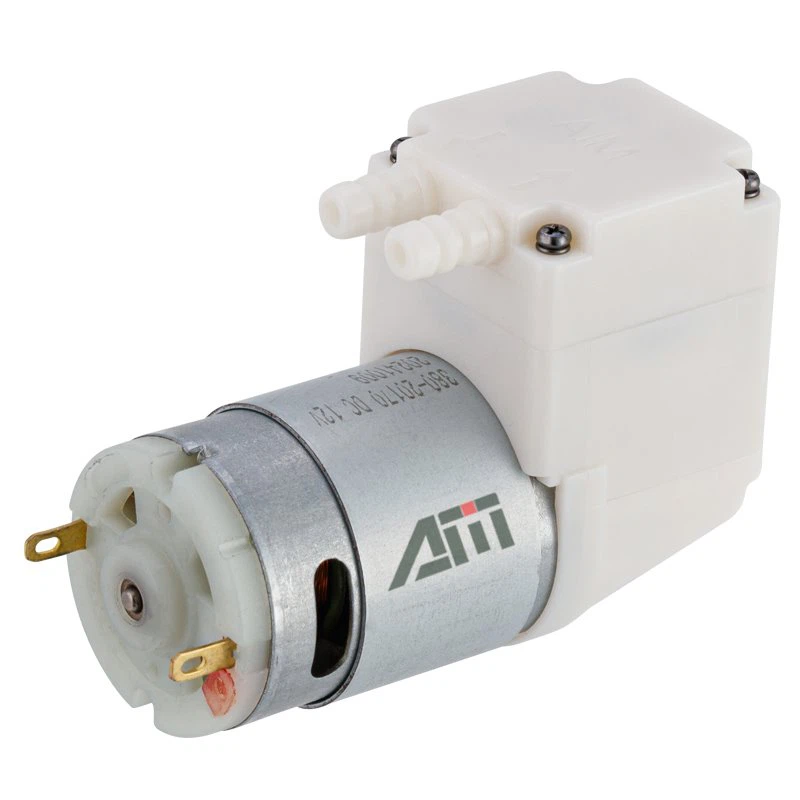

For larger-scale fresh-keeping applications, we offer the AM130HPM Micro Vacuum Pump. This pump is designed to handle high loads and large volumes of air, making it ideal for industrial food processing and preservation. The pump features a high-torque brushed DC motor that can provide the necessary power to start the pump even under heavy loads, ensuring reliable and efficient operation.
Conclusion
In conclusion, the starting torque of a fresh-keeping vacuum pump is a critical parameter that can significantly impact the performance and effectiveness of the preservation process. A pump with a high starting torque can quickly reach its operating speed and start removing air from the container, reducing the time required to create a vacuum and preserving the freshness and quality of the food. At our company, we understand the importance of starting torque in fresh-keeping applications, and we offer a range of vacuum pumps designed to provide reliable and efficient start-up.
If you are interested in learning more about our fresh-keeping vacuum pumps or have any questions about starting torque or other technical aspects of our products, please feel free to contact us. Our team of experts is always available to provide you with detailed information and assistance to help you choose the right pump for your specific needs.
References
- "Electric Motors and Drives: Fundamentals, Types, and Applications" by Austin Hughes and Bill Drury
- "Vacuum Technology: A Practical Guide for Scientists and Engineers" by Peter Pfeiffer