

Gaskets play a crucial and often under - appreciated role in preserving the performance and functionality of machine vacuum pumps. As a leading supplier of Preserving machine vacuum pumps, I have witnessed firsthand the impact that gaskets can have on the overall operation of these essential devices.
The Basics of Vacuum Pumps
Before delving into the role of gaskets, it is important to understand the basic principles of a vacuum pump. A vacuum pump is designed to remove gas molecules from a sealed volume to create a partial or complete vacuum. This process is vital in various industries, including food preservation, medical equipment, and scientific research. In food preservation, for example, vacuum pumps are used to remove air from packaging, which helps to extend the shelf - life of products by preventing oxidation and the growth of spoilage organisms.
The Function of Gaskets in Vacuum Pumps
Gaskets are essentially seals that are placed between two mating surfaces of a vacuum pump. Their primary function is to prevent the leakage of gas or fluid between these surfaces. In a vacuum pump, maintaining a tight seal is of utmost importance. Even a small leak can significantly reduce the pump's efficiency and its ability to create and maintain a vacuum.
One of the key roles of gaskets is to provide a barrier against external contaminants. When a vacuum pump is operating, it is essential to keep out dust, moisture, and other particles that could damage the internal components of the pump. Gaskets act as a physical barrier, preventing these contaminants from entering the pump and causing wear and tear.
Another important function of gaskets is to ensure the proper alignment of the pump's components. During the assembly of a vacuum pump, gaskets help to position the various parts correctly, which is crucial for the smooth operation of the pump. Misaligned components can lead to increased friction, vibration, and ultimately, pump failure.
Types of Gaskets Used in Vacuum Pumps
There are several types of gaskets that are commonly used in vacuum pumps, each with its own unique properties and applications.
Rubber Gaskets
Rubber gaskets are one of the most widely used types of gaskets in vacuum pumps. They are known for their flexibility, which allows them to conform to irregular surfaces and create a tight seal. Rubber gaskets are also resistant to a wide range of chemicals, making them suitable for use in various environments. For example, in a food preservation vacuum pump, rubber gaskets can withstand the contact with food products and cleaning agents without deteriorating.

Metal Gaskets
Metal gaskets are often used in high - pressure and high - temperature applications. They are made from materials such as stainless steel, copper, or aluminum, which provide excellent strength and durability. Metal gaskets can withstand extreme conditions and are less likely to deform under pressure. In a scientific research vacuum pump, where high - precision and reliability are required, metal gaskets are a popular choice.
Composite Gaskets
Composite gaskets combine the properties of different materials to provide a balance of flexibility, strength, and chemical resistance. They are typically made by laminating layers of different materials, such as rubber and metal. Composite gaskets are often used in applications where a combination of high performance and cost - effectiveness is required.
Impact of Gasket Quality on Vacuum Pump Performance
The quality of the gaskets used in a vacuum pump can have a significant impact on its performance. High - quality gaskets are designed to provide a long - lasting and reliable seal. They are made from materials that are resistant to wear, tear, and chemical degradation. In contrast, low - quality gaskets may deteriorate quickly, leading to leaks and reduced pump efficiency.
A well - designed gasket can also contribute to the energy efficiency of a vacuum pump. By preventing leaks, the pump can operate more effectively, using less energy to maintain the desired vacuum level. This not only reduces operating costs but also has a positive impact on the environment.
Gaskets in Different Applications of Vacuum Pumps
Food Preservation
In the food preservation industry, vacuum pumps are used to remove air from food packaging to extend the shelf - life of products. Gaskets play a crucial role in ensuring that the vacuum is maintained inside the packaging. A leaky gasket can allow air to enter the package, leading to spoilage and reduced product quality. For example, in a commercial food preservation facility, a reliable gasket in the vacuum pump is essential to ensure the consistent quality of the packaged products.
Medical Equipment
In medical equipment, such as suction devices and anesthesia machines, vacuum pumps are used to create a vacuum for various procedures. Gaskets in these pumps must be of high quality to ensure the safety and effectiveness of the equipment. A faulty gasket could lead to a loss of vacuum, which could have serious consequences for patient care.
Scientific Research
In scientific research, vacuum pumps are used in a wide range of applications, such as electron microscopy and vacuum distillation. Gaskets in these pumps must be able to provide a high - quality seal to maintain the required vacuum level. Any leakage can affect the accuracy of the experimental results.
Our Product Range
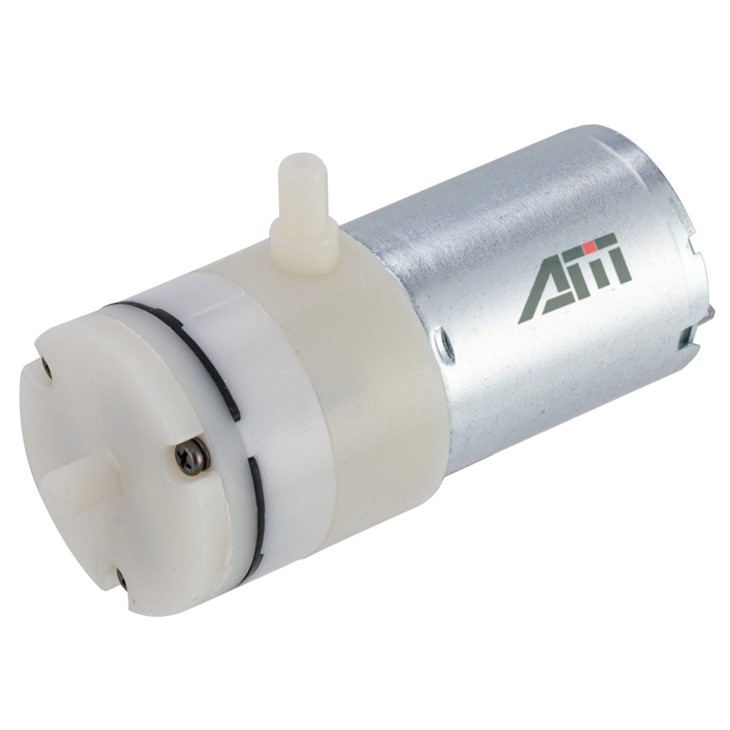
As a supplier of Preserving machine vacuum pumps, we offer a wide range of vacuum pumps suitable for different applications. For example, we have the Mini vacuum pump for breast pump, which is designed for use in breast pumps. This pump features high - quality gaskets that ensure a reliable and efficient operation.
We also have the Micro vacuum pump for vacuum juicer machine, which is specifically designed for vacuum juicer machines. The gaskets in this pump are selected to provide a tight seal and prevent any leakage, ensuring the optimal performance of the juicer.
In addition, our Micro vacuum pump for sealing machine is equipped with gaskets that are suitable for the high - pressure environment of sealing machines. These gaskets help to maintain a strong vacuum, which is essential for effective sealing.
Importance of Regular Maintenance and Gasket Replacement
Regular maintenance of vacuum pumps is essential to ensure their long - term performance. This includes checking the gaskets for signs of wear and tear and replacing them when necessary. Over time, gaskets can become brittle, cracked, or deformed, which can lead to leaks. By replacing gaskets at regular intervals, you can prevent these issues and ensure the continued operation of your vacuum pump.
Conclusion
In conclusion, gaskets are an integral part of a machine vacuum pump. They play a vital role in maintaining a tight seal, preventing leaks, and protecting the pump from external contaminants. The quality of the gaskets used in a vacuum pump can have a significant impact on its performance, energy efficiency, and reliability. As a supplier of Preserving machine vacuum pumps, we understand the importance of using high - quality gaskets in our products. If you are in the market for a vacuum pump or need to replace the gaskets in your existing pump, we invite you to contact us for more information and to discuss your specific requirements.
References
- "Vacuum Technology Handbook" by O'Hanlon, John F.
- "Practical Vacuum Technology" by Singleton, J. E.
- "Industrial Vacuum Technology" by Dushman, Saul.