

What is the lifespan of a micro solenoid air valve?
As a seasoned supplier of micro solenoid air valves, I've encountered numerous inquiries regarding the lifespan of these essential components. The lifespan of a micro solenoid air valve is a critical factor that significantly influences its performance, reliability, and cost - effectiveness in various applications. In this blog, I'll delve into the key aspects that determine the lifespan of a micro solenoid air valve, explore different factors affecting it, and provide insights into how to maximize its longevity.
Understanding the Basics of Micro Solenoid Air Valves
Micro solenoid air valves are electromechanical devices that control the flow of air in a system. They operate by using an electromagnetic coil to actuate a valve mechanism, allowing or blocking the passage of air. These valves are widely used in a variety of industries, including medical, automotive, and consumer electronics, due to their compact size, fast response time, and precise control capabilities.
Factors Affecting the Lifespan of Micro Solenoid Air Valves
- Quality of Materials: The materials used in the construction of a micro solenoid air valve play a crucial role in determining its lifespan. High - quality materials, such as corrosion - resistant metals and durable polymers, can withstand the rigors of continuous operation and harsh environments. For example, valves with stainless - steel components are more resistant to rust and wear, which can extend their service life.
- Operating Conditions: The environment in which the valve operates has a significant impact on its lifespan. Factors such as temperature, humidity, and the presence of contaminants can all affect the performance and durability of the valve. Extreme temperatures can cause the materials to expand or contract, leading to mechanical stress and potential failure. High humidity levels can promote corrosion, while contaminants in the air can clog the valve or damage its internal components.
- Frequency of Use: The more frequently a micro solenoid air valve is used, the shorter its lifespan is likely to be. Each actuation of the valve subjects its components to mechanical stress, and over time, this can lead to wear and tear. Valves that are used in high - cycle applications, such as in automated manufacturing processes, may require more frequent replacement than those used in less demanding applications.
- Electrical Characteristics: The electrical parameters, such as voltage and current, also influence the lifespan of the valve. Incorrect voltage or current can cause overheating of the solenoid coil, which can damage the insulation and reduce the coil's efficiency. Additionally, electrical surges or spikes can cause sudden and irreversible damage to the valve.
Typical Lifespan of Micro Solenoid Air Valves
The lifespan of a micro solenoid air valve can vary widely depending on the factors mentioned above. In general, a well - designed and properly maintained valve can last anywhere from 1 million to 100 million cycles. For example, in a low - cycle application, such as a home appliance that is used only occasionally, the valve may last for several years. On the other hand, in a high - cycle industrial application, the valve may need to be replaced every few months or even weeks.
Applications and Their Impact on Lifespan
- Medical Applications: In medical devices, such as Solenoid air valve for breast pump and Solenoid air valve for medical nebulizer, the lifespan of the micro solenoid air valve is of utmost importance. These devices require reliable and precise control of air flow to ensure the safety and effectiveness of the treatment. Valves used in medical applications are typically designed to have a long lifespan and are subject to strict quality control measures.
- Consumer Electronics: In consumer products, such as massage gloves, Solenoid air valve for massagar gloves are used to provide a comfortable and relaxing experience. The lifespan of these valves is usually sufficient for the expected usage of the product, but factors such as the frequency of use and the quality of the valve can still affect how long it lasts.
- Automotive Industry: In automotive applications, micro solenoid air valves are used in various systems, such as engine control and air suspension. These valves need to withstand the harsh conditions of the automotive environment, including high temperatures, vibrations, and exposure to contaminants. As a result, they are designed to have a relatively long lifespan to ensure the reliability and performance of the vehicle.
Maximizing the Lifespan of Micro Solenoid Air Valves
- Proper Installation: Ensure that the valve is installed correctly according to the manufacturer's instructions. Incorrect installation can cause mechanical stress on the valve and lead to premature failure.
- Regular Maintenance: Regular maintenance, such as cleaning and lubrication, can help to keep the valve in good working condition. This can prevent the build - up of contaminants and reduce the wear and tear on the valve's components.
- Monitoring and Testing: Periodically monitor the performance of the valve and conduct tests to detect any signs of wear or malfunction. Early detection of problems can allow for timely replacement or repair, which can extend the overall lifespan of the valve.
Conclusion
The lifespan of a micro solenoid air valve is influenced by a variety of factors, including the quality of materials, operating conditions, frequency of use, and electrical characteristics. By understanding these factors and taking appropriate measures to maximize the valve's lifespan, users can ensure the reliable and efficient operation of their systems.

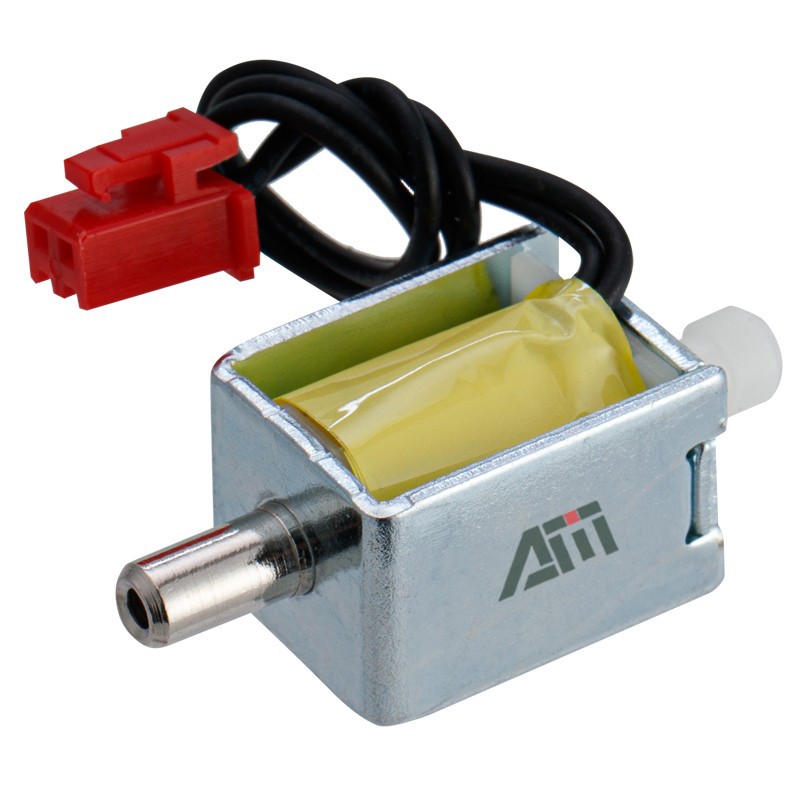
If you are in the market for high - quality micro solenoid air valves or have any questions regarding their lifespan and performance, I encourage you to reach out for a detailed discussion. We are committed to providing you with the best solutions tailored to your specific needs.
References
- "Solenoid Valve Handbook" by Peter C. Watson
- "Electromechanical Devices: Design, Modeling, and Control" by Andrew J. Kurdila