

Hey there! As a supplier of micro water valves, I've seen my fair share of valve clogging issues. It's a real pain in the neck for both us suppliers and our customers. Clogged micro water valves can lead to all sorts of problems, like reduced water flow, malfunctioning equipment, and even costly repairs. But don't worry, I'm here to share some tips on how to prevent the clogging of a micro water valve.
First off, let's understand what causes micro water valve clogging. There are several factors at play. One of the main culprits is sediment and debris in the water. Over time, these particles can build up inside the valve, blocking the flow path. Minerals in the water, such as calcium and magnesium, can also form scale deposits on the valve components, restricting the movement of the valve and causing it to clog. Another common cause is the presence of organic matter, like algae or bacteria, which can grow and accumulate in the valve.
Now that we know what causes clogging, let's talk about how to prevent it. The first step is to ensure proper water filtration. Installing a high - quality water filter upstream of the micro water valve can significantly reduce the amount of sediment, debris, and other contaminants in the water. There are different types of filters available, such as sediment filters, carbon filters, and reverse osmosis filters. The type of filter you choose depends on the quality of your water supply. For example, if your water has a high level of sediment, a sediment filter with a fine pore size would be a good choice.
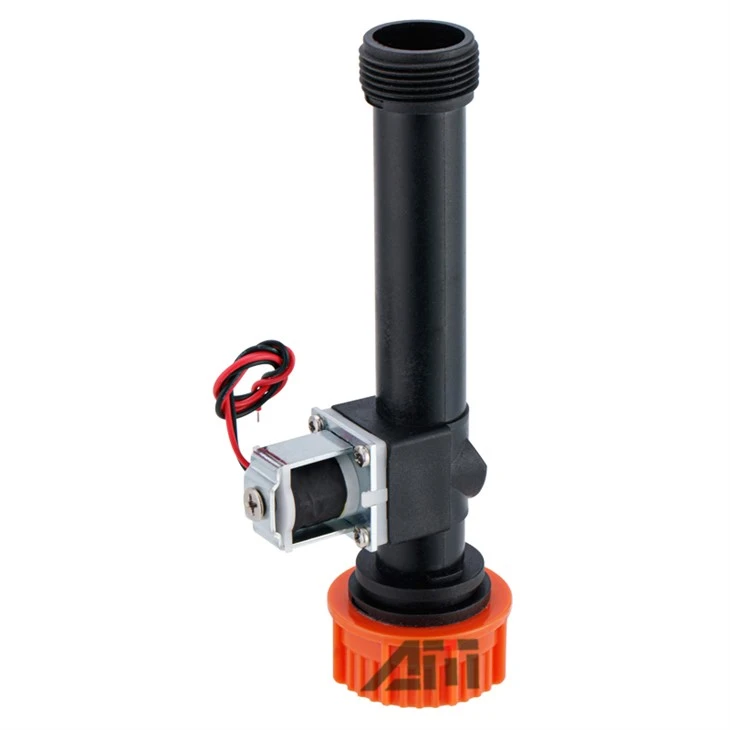
Regular maintenance is also crucial in preventing valve clogging. You should clean the micro water valve periodically to remove any accumulated debris or scale. Most micro water valves can be disassembled for cleaning. Just make sure to follow the manufacturer's instructions carefully. For example, if you're using our AM0860GW - 3WAY Micro Water Valve, the cleaning process is relatively straightforward. You can use a soft brush and a mild cleaning solution to gently scrub the valve components.
In addition to cleaning, it's important to check the valve for any signs of wear or damage. A damaged valve is more likely to clog. Look for cracks, leaks, or any other visible defects. If you notice any problems, replace the valve as soon as possible. For instance, if you're using our AM602SW Micro Water Valve, and you find that the valve stem is worn out, it's time to get a new one.
Another way to prevent clogging is to control the water pressure. High water pressure can cause debris to be forced into the valve more easily, increasing the risk of clogging. You can install a pressure regulator to keep the water pressure within a safe range. This not only helps prevent clogging but also extends the lifespan of the micro water valve.
Water treatment is also an effective preventive measure. Adding water treatment chemicals can help reduce the formation of scale and control the growth of organic matter. However, you need to be careful when using chemicals. Make sure to use the right type and amount of chemicals, and follow the safety guidelines. For example, some chemicals can be harmful if they come into contact with skin or eyes.
When it comes to the installation of the micro water valve, proper positioning is key. The valve should be installed in a location where it's easy to access for maintenance and inspection. Avoid installing the valve in areas where there's a lot of dirt or dust, as this can increase the risk of clogging. Also, make sure the piping is properly sized and installed to ensure a smooth water flow.
Let's take a closer look at some of our popular micro water valves and how to prevent clogging for them. The AM601ST Micro Water Valve is a great choice for many applications. To keep it clog - free, in addition to the general preventive measures mentioned above, you can pay special attention to the flow rate. Make sure the flow rate through the valve is within the recommended range. If the flow rate is too high, it can cause more debris to be carried into the valve.
In summary, preventing the clogging of a micro water valve requires a combination of proper water filtration, regular maintenance, water pressure control, and correct installation. By following these tips, you can ensure that your micro water valves operate smoothly and efficiently, saving you time and money in the long run.
If you're in the market for high - quality micro water valves or need more advice on preventing clogging, don't hesitate to reach out. We're here to help you find the best solutions for your needs. Whether you're a small business or a large industrial operation, we have the right micro water valve for you. Contact us to start a procurement discussion and let's work together to keep your systems running smoothly.

References
- Water Treatment Handbook: A comprehensive guide on water treatment and filtration methods.
- Valve Manufacturer's Manuals: Provide detailed information on the installation, maintenance, and operation of micro water valves.