

Hey there! As a supplier of compression bag vacuum pumps, I'm stoked to break down for you how these nifty devices work. In this blog, I'll take you through the ins and outs of compression bag vacuum pumps, from their basic components to the science behind their operation. So, let's dive right in!
What is a Compression Bag Vacuum Pump?
First things first, let's get clear on what a compression bag vacuum pump actually is. It's a device designed to remove air from compression bags, which are typically used to store clothes, bedding, or other items. By removing the air, these bags can be compressed to a fraction of their original size, making them easier to store and transport.
Basic Components of a Compression Bag Vacuum Pump
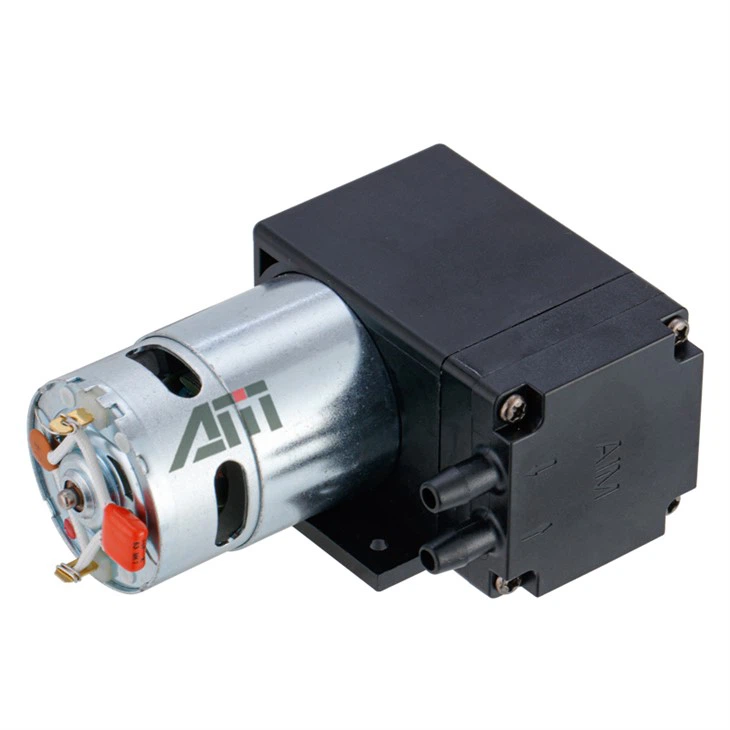
A compression bag vacuum pump usually consists of a few key components:
- Motor: This is the heart of the pump. The motor provides the power needed to create the suction force that removes the air from the bag.
- Impeller or Diaphragm: Depending on the type of pump, it will have either an impeller or a diaphragm. An impeller is a rotating disk with blades that spins at high speed to create a vacuum. A diaphragm, on the other hand, is a flexible membrane that moves back and forth to create the suction.
- Inlet and Outlet Ports: The inlet port is where the air from the compression bag is drawn into the pump. The outlet port is where the air is expelled from the pump into the surrounding environment.
- Hose or Nozzle: This is used to connect the pump to the compression bag. The hose or nozzle ensures a tight seal so that air can only enter the pump from the bag.
How Does It Work?
Now, let's get into the nitty - gritty of how a compression bag vacuum pump actually operates.

Step 1: Connection
The first step is to connect the pump to the compression bag using the hose or nozzle. Make sure the connection is air - tight. Any leaks will reduce the efficiency of the pump and make it harder to remove the air from the bag.
Step 2: Power On
Once the pump is properly connected, you turn on the motor. The motor starts to spin the impeller or move the diaphragm.
If it's an impeller - based pump, the spinning impeller creates a low - pressure area at the inlet port. Air always moves from an area of high pressure to an area of low pressure. So, the air inside the compression bag, which is at a higher pressure, is drawn towards the inlet port of the pump.
In the case of a diaphragm pump, when the diaphragm moves outward, it increases the volume of the chamber inside the pump. This increase in volume leads to a decrease in pressure inside the chamber, creating a vacuum. The air from the compression bag is then sucked into this low - pressure chamber.
Step 3: Air Movement
Once the air enters the pump through the inlet port, it is then directed towards the outlet port. The impeller or diaphragm continues to work, continuously creating that low - pressure area to keep the air flowing.
The air is expelled from the outlet port into the surrounding environment. As more and more air is removed from the compression bag, the pressure inside the bag decreases. The bag starts to shrink as the air is being pulled out, compressing the items inside.
Step 4: Compression
As the air is removed, the compression bag collapses around the items inside. This reduces the overall volume of the bag and its contents, allowing you to store more in a smaller space.
Different Types of Compression Bag Vacuum Pumps
There are a few different types of compression bag vacuum pumps, each with its own working principles and advantages.
Electric Vacuum Pumps
These are the most common type. They are powered by electricity and can provide a strong and consistent suction force. Electric pumps are great for large compression bags or when you need to remove a lot of air quickly. They are usually more powerful than other types and can handle multiple jobs in a row without getting tired.
Hand - Operated Vacuum Pumps
These pumps rely on manual effort. You have to pump a handle or a piston up and down to create the suction. Hand - operated pumps are more portable and don't require an electrical outlet. They are a good option for small - scale jobs or when you're on the go. However, they can be tiring to use for long periods and may not provide as strong a suction as electric pumps.
Battery - Powered Vacuum Pumps
Battery - powered pumps offer the best of both worlds. They are portable like hand - operated pumps but can provide a suction force similar to electric pumps. They are great for use in areas where there's no access to an electrical outlet, such as when you're moving or traveling.
Our Product Range
As a compression bag vacuum pump supplier, we offer a wide range of pumps to meet different needs. We also have micro - vacuum pumps for other applications. For instance, if you're into medical therapy, you might be interested in our Micro vacuum pump for medical therapy. It's specifically designed for medical devices and offers reliable performance.
If you're looking for a pump for your cooking machine, our Micro vacuum pump for cooking machine is a great choice. It can help create the right vacuum environment for your cooking needs.
And for those in the baby - care industry, we have the DC mini vacuum pump for breast pump, which is small, efficient, and perfect for breast - pump applications.
Why Choose Our Compression Bag Vacuum Pumps?
- Quality: We use high - quality materials and components in our pumps to ensure long - lasting performance.
- Efficiency: Our pumps are designed to remove air quickly and effectively, saving you time and effort.
- Variety: With a wide range of pumps available, you can choose the one that best suits your needs.
- Reliability: We stand behind our products and offer excellent customer support.
Let's Connect!
Whether you're a retailer looking to stock our products or an individual in need of a reliable compression bag vacuum pump, we'd love to hear from you. If you have any questions about our pumps, their operation, or our product range, feel free to reach out. Let's start a conversation and see how we can meet your vacuum - pumping needs.
References
- Principles of Vacuum Technology by O'Hanlon, John F.
- Vacuum Pumps: Selection, Operation, and Maintenance by Bruno Leybold Vacuum.