

When it comes to industrial applications, the chemical - processing industry stands out as one of the most demanding and complex sectors. The operations in this industry involve handling a wide range of chemicals under various conditions, including high pressures, extreme temperatures, and aggressive chemical environments. In such a challenging setting, the selection of appropriate components is crucial for the efficiency and safety of the processes. One such component that has gained significant attention is the micro solenoid air valve. As a supplier of micro solenoid air valves, I am often asked whether these valves can be used in the chemical - processing industry. In this blog post, I will explore this question in detail.
Understanding Micro Solenoid Air Valves
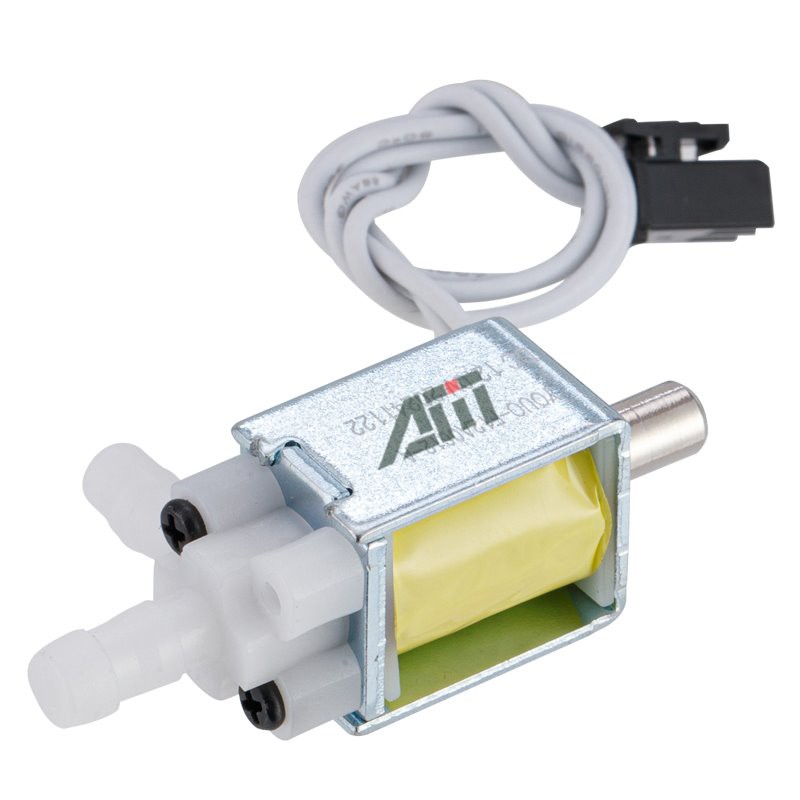
Before delving into their applicability in the chemical - processing industry, let's first understand what micro solenoid air valves are. A micro solenoid air valve is a type of valve that uses an electromagnetic solenoid to control the flow of air. The solenoid is an electromechanical device that converts electrical energy into mechanical motion. When an electric current is applied to the solenoid, it generates a magnetic field that moves a plunger or a poppet, which in turn opens or closes the valve.
These valves are characterized by their small size, which makes them suitable for applications where space is limited. They also offer fast response times, high precision, and can be easily controlled electronically. These features make them popular in a variety of industries, including automotive, medical, and food and beverage.
Requirements in the Chemical - Processing Industry
The chemical - processing industry has several specific requirements that any component used in its operations must meet. First and foremost, the materials used in the construction of the components must be resistant to corrosion. Chemicals such as acids, alkalis, and solvents can be highly corrosive, and if the valve materials are not resistant, they can degrade over time, leading to leaks and failures.
Secondly, the valves must be able to withstand high pressures and temperatures. Many chemical processes involve reactions that occur under high - pressure conditions or at elevated temperatures. For example, in the production of fertilizers, ammonia synthesis takes place at high pressures and temperatures. The valves used in these processes must be able to maintain their integrity under such conditions.
Another important requirement is the ability to provide a high level of control. Chemical processes often require precise control of the flow of chemicals and gases. A slight deviation in the flow rate can lead to sub - optimal product quality or even dangerous situations. Therefore, the valves used in the chemical - processing industry must be able to accurately control the flow of materials.
Can Micro Solenoid Air Valves Meet these Requirements?
Corrosion Resistance
One of the key considerations for using micro solenoid air valves in the chemical - processing industry is their corrosion resistance. Many micro solenoid air valves are made from materials such as stainless steel, brass, and plastics. Stainless steel is known for its excellent corrosion resistance, especially against acids and alkalis. Brass also has good corrosion resistance, although it may not be suitable for use with highly aggressive chemicals. Plastics, on the other hand, can offer excellent resistance to certain chemicals, and different types of plastics can be selected based on the specific chemical environment.
At our company, we offer micro solenoid air valves with different material options to suit various chemical - processing applications. For example, our Solenoid air valve for sealing machine is available with a stainless - steel body, which provides good corrosion resistance in many chemical environments.

Pressure and Temperature Resistance
Micro solenoid air valves can be designed to withstand a wide range of pressures and temperatures. The materials used in their construction, as well as their design features, play a crucial role in determining their pressure and temperature ratings. For example, valves with thick - walled bodies and well - designed sealing mechanisms can handle higher pressures.
In addition, the solenoid components of these valves are designed to operate within a specific temperature range. Our company uses high - quality solenoids that can operate at elevated temperatures, ensuring that the micro solenoid air valves can be used in chemical processes that involve high - temperature conditions. Our Solenoid air valve for medical nebulizer is engineered to maintain its performance under a variety of temperature and pressure conditions, which makes it potentially suitable for some chemical - processing applications.
Flow Control
The fast response times and high precision of micro solenoid air valves make them well - suited for providing accurate flow control in the chemical - processing industry. These valves can be controlled electronically, allowing for precise adjustment of the flow rate. This is particularly important in processes where the amount of chemicals and gases added at different stages needs to be carefully regulated.
For example, in a chemical synthesis process, the addition of a catalyst or a reactant at a specific flow rate can significantly affect the reaction rate and the quality of the final product. Our Solenoid air valve for massagar gloves is designed to provide precise flow control, which can be beneficial in such chemical - processing scenarios.
Case Studies
To further illustrate the potential of micro solenoid air valves in the chemical - processing industry, let's look at some case studies.
In a pharmaceutical chemical process, a company needed to precisely control the flow of a volatile solvent during a synthesis reaction. They initially used larger, traditional valves, but these valves were difficult to control precisely and took up a lot of space. After switching to our micro solenoid air valves, they were able to achieve much better flow control, resulting in a more consistent product quality and reduced waste.
In another case, a chemical manufacturing plant was dealing with a process that involved handling corrosive acids at high pressures. Our micro solenoid air valves with stainless - steel bodies were installed in the system. These valves were able to withstand the corrosive environment and the high pressures, and provided reliable operation over an extended period.
Limitations and Considerations
While micro solenoid air valves offer many advantages for use in the chemical - processing industry, there are also some limitations and considerations. One limitation is the relatively small flow capacity of micro valves compared to larger industrial valves. In applications where high flow rates are required, multiple micro valves may need to be used in parallel or larger valves may be more appropriate.
Another consideration is the cost. Micro solenoid air valves can be more expensive on a per - unit basis compared to some traditional valves. However, when considering the benefits of precise control, space savings, and long - term reliability, the overall cost - effectiveness may be favorable.
Conclusion
In conclusion, micro solenoid air valves can indeed be used in the chemical - processing industry. Their corrosion resistance, ability to withstand high pressures and temperatures, and precise flow control capabilities make them suitable for a variety of chemical - processing applications. However, it is important to carefully evaluate the specific requirements of each application, considering factors such as flow capacity and cost.
If you are involved in the chemical - processing industry and are looking for reliable micro solenoid air valves, we are here to help. Our team of experts can assist you in selecting the right valve for your specific needs. Contact us today to start a discussion about how our micro solenoid air valves can enhance your chemical - processing operations.
References
- Perry, R. H., & Green, D. W. (1997). Perry's Chemical Engineers' Handbook. McGraw - Hill.
- Walas, S. M. (1990). Chemical Process Equipment: Selection and Design. Butterworth - Heinemann.