

As a trusted supplier of micro piston vacuum pumps, I often encounter inquiries from clients about the suitability of our products in various industrial processes. One question that frequently arises is whether a micro piston vacuum pump can be used in a vacuum heat treatment process. In this blog post, I will delve into this topic, exploring the technical aspects, advantages, and potential limitations of using micro piston vacuum pumps in vacuum heat treatment.
Understanding Vacuum Heat Treatment
Vacuum heat treatment is a critical process in the manufacturing industry, used to enhance the mechanical properties of metals and alloys. It involves heating the workpiece in a vacuum environment to precise temperatures and then cooling it under controlled conditions. This process helps to eliminate oxidation, decarburization, and other surface defects, resulting in improved hardness, strength, and wear resistance.
The success of vacuum heat treatment depends on several factors, including the quality of the vacuum system. A reliable vacuum pump is essential to create and maintain the required vacuum level throughout the process. Different types of vacuum pumps are available, each with its own characteristics and applications.
Features of Micro Piston Vacuum Pumps
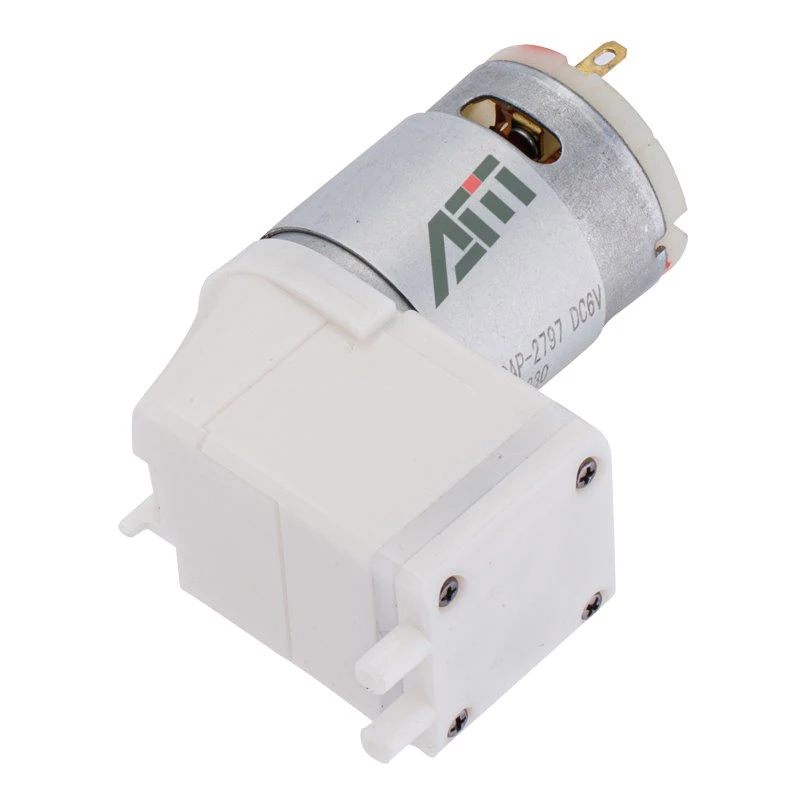
Micro piston vacuum pumps are compact, lightweight, and efficient devices that use a piston mechanism to create a vacuum. They are known for their high pumping speed, low noise operation, and ability to achieve relatively high vacuum levels. These pumps are commonly used in a wide range of applications, such as DC vacuum pump for packing machine, Micro vacuum pump for food mixing machine, and Micro vacuum pump for vacuum container machine.
Some of the key features of micro piston vacuum pumps include:
- Compact Design: Their small size makes them suitable for applications where space is limited.
- High Pumping Speed: They can quickly evacuate the air from the system, reducing the time required to reach the desired vacuum level.
- Low Noise Operation: This is beneficial in environments where noise is a concern.
- Oil-Free Operation: Some micro piston vacuum pumps are oil-free, which eliminates the risk of oil contamination in the vacuum chamber.
- Reliability: They are designed to be durable and require minimal maintenance.
Advantages of Using Micro Piston Vacuum Pumps in Vacuum Heat Treatment
There are several advantages to using micro piston vacuum pumps in vacuum heat treatment processes:
- Cost-Effective: Micro piston vacuum pumps are generally more affordable than larger, more complex vacuum pumps. This can result in significant cost savings, especially for small to medium-sized heat treatment facilities.
- Energy Efficiency: Their compact design and efficient operation consume less energy compared to other types of vacuum pumps. This can lead to lower operating costs over time.
- Quick Start-Up: Micro piston vacuum pumps can reach their operating vacuum level quickly, reducing the overall processing time.
- Suitable for Small-Scale Applications: They are well-suited for small-scale vacuum heat treatment processes, such as those used in research laboratories or small manufacturing shops.
- Versatility: They can be used in a variety of vacuum heat treatment applications, including annealing, hardening, and tempering.
Potential Limitations
While micro piston vacuum pumps offer many advantages, there are also some potential limitations to consider:
- Limited Vacuum Level: They may not be able to achieve the extremely high vacuum levels required for some advanced heat treatment processes.
- Pumping Capacity: Their pumping capacity may be limited, which can affect the processing time for larger workpieces or high-volume production.
- Contamination Risk: In some cases, the piston mechanism may generate small amounts of particulate matter, which could potentially contaminate the workpiece. However, this can be mitigated by using appropriate filtration systems.
- Temperature Sensitivity: Micro piston vacuum pumps may be sensitive to high temperatures, which can affect their performance and lifespan. It is important to ensure proper cooling and temperature control in the heat treatment environment.
Considerations for Using Micro Piston Vacuum Pumps in Vacuum Heat Treatment
Before deciding to use a micro piston vacuum pump in a vacuum heat treatment process, several factors should be considered:

- Vacuum Requirements: Determine the required vacuum level and pumping speed for the specific heat treatment process. Make sure the micro piston vacuum pump can meet these requirements.
- Workpiece Size and Volume: Consider the size and volume of the workpieces to be treated. If the workpieces are large or if high-volume production is required, a larger vacuum pump may be necessary.
- Process Temperature: Ensure that the micro piston vacuum pump can operate within the temperature range of the heat treatment process. If necessary, implement appropriate cooling measures.
- Filtration and Contamination Control: Install suitable filtration systems to prevent particulate matter from entering the vacuum chamber and contaminating the workpiece.
- Maintenance and Service: Regular maintenance is essential to ensure the reliable operation of the micro piston vacuum pump. Make sure you have access to technical support and replacement parts.
Conclusion
In conclusion, micro piston vacuum pumps can be a viable option for vacuum heat treatment processes, especially for small-scale applications or those with less demanding vacuum requirements. Their compact design, high pumping speed, and cost-effectiveness make them an attractive choice. However, it is important to carefully evaluate the specific requirements of the heat treatment process and consider the potential limitations before making a decision.
If you are interested in using a micro piston vacuum pump in your vacuum heat treatment process, I encourage you to contact us for more information. Our team of experts can help you select the right pump for your application and provide technical support throughout the installation and operation process. We are committed to providing high-quality products and excellent customer service to meet your needs.
References
- ASM Handbook, Volume 4: Heat Treating, ASM International.
- Vacuum Technology Handbook, O'Hanlon, J. F.
- Heat Treatment Principles and Techniques, Totten, G. E., & MacKenzie, D. E.