

Micro water valves are essential components in various water - related systems. As a micro water valve supplier, I often encounter questions from customers about the compatibility of these valves with different types of pipes. In this blog post, we'll delve into this topic, exploring the factors that affect compatibility and providing insights to help you make informed decisions.
Understanding Micro Water Valves
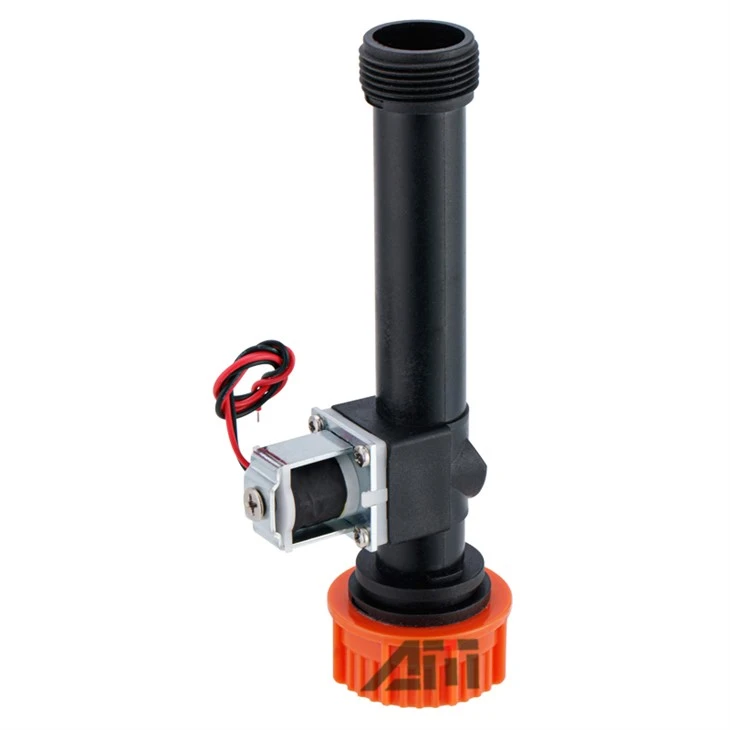
Micro water valves are designed to control the flow of water in small - scale applications. They are commonly used in medical disinfection equipment, outdoor irrigation systems, and intelligent water adders. For instance, our Solenoid water valve for medical disinfection equipment is precisely engineered to ensure accurate water flow control in a sterile environment.
These valves come in different types, such as solenoid valves, which use an electromagnetic field to open and close the valve. Their compact size and high precision make them suitable for applications where space is limited and accurate flow regulation is required.
Types of Pipes and Their Characteristics
There are several types of pipes commonly used in water systems, each with its own unique properties.
PVC Pipes
PVC (Polyvinyl Chloride) pipes are widely used due to their affordability, durability, and resistance to corrosion. They are available in different schedules, which indicate the wall thickness of the pipe. PVC pipes are commonly used in residential and commercial plumbing systems, as well as in some outdoor irrigation applications. However, they have a relatively low temperature tolerance, and exposure to high - temperature water can cause the pipes to deform or even fail.
Copper Pipes
Copper pipes have been a staple in plumbing systems for many years. They are known for their excellent heat conductivity, corrosion resistance, and long lifespan. Copper pipes can withstand high temperatures and pressures, making them suitable for hot water systems. However, they are more expensive than PVC pipes and require specialized tools for installation.
PEX Pipes
PEX (Cross - linked Polyethylene) pipes are a relatively new type of pipe. They are flexible, easy to install, and resistant to freezing. PEX pipes are commonly used in residential plumbing systems, especially in areas where freezing is a concern. They are also less expensive than copper pipes. However, they may not be suitable for some high - pressure applications.
Stainless Steel Pipes
Stainless steel pipes offer high strength, corrosion resistance, and durability. They are commonly used in industrial applications and high - end residential plumbing systems. Stainless steel pipes can withstand high temperatures and pressures, but they are more expensive than other types of pipes and can be difficult to install.
Compatibility Factors
When considering the compatibility of micro water valves with different types of pipes, several factors need to be taken into account.
Pipe Material
The material of the pipe can affect the compatibility with the valve. For example, some valves may have rubber seals that can be damaged by certain chemicals present in PVC pipes. Additionally, the expansion and contraction rates of different pipe materials need to be considered. If the valve and the pipe have significantly different expansion rates, it can lead to leaks or valve failure over time.
Pipe Size
The size of the pipe is another crucial factor. Micro water valves are available in different sizes, and it's important to choose a valve that matches the diameter of the pipe. A valve that is too small may restrict the flow of water, while a valve that is too large may not provide accurate flow control.
Pressure Rating
The pressure rating of the valve and the pipe must be compatible. If the pressure in the system exceeds the pressure rating of the valve or the pipe, it can lead to leaks or even catastrophic failures. It's important to ensure that both the valve and the pipe are rated for the maximum pressure that the system will experience.
Temperature Range
The temperature range of the water flowing through the system also affects compatibility. Some valves and pipes may not be suitable for high - temperature applications. For example, PVC pipes have a limited temperature tolerance, and using them with a valve that is designed for high - temperature water can cause problems.
Compatibility in Specific Applications
Medical Disinfection Equipment
In medical disinfection equipment, the compatibility of the micro water valve with the pipes is of utmost importance. The water used in these systems is often treated with disinfectants, which can be corrosive to some pipe materials. Our Solenoid water valve for medical disinfection equipment is designed to be compatible with pipes made of materials that can withstand the chemicals used in disinfection processes, such as stainless steel or certain types of plastic pipes.
Outdoor Irrigation Systems
Outdoor irrigation systems are exposed to various environmental conditions, including temperature fluctuations and UV radiation. PVC pipes are commonly used in these systems due to their affordability and durability. Our Three - way solenoid water valve for outdoor irrigation systems can be easily integrated with PVC pipes, as long as the size and pressure ratings are compatible.
Intelligent Water Adders
Intelligent water adders require precise control of water flow. PEX pipes are often used in these systems due to their flexibility and easy installation. Our Three - way solenoid water valve for intelligent water adders can be paired with PEX pipes to ensure accurate and reliable water flow control.
Ensuring Compatibility
To ensure the compatibility of micro water valves with different types of pipes, it's recommended to follow these steps:
- Consult the Manufacturer: The manufacturer of the valve can provide valuable information about the compatibility of the valve with different pipe materials, sizes, and pressure ratings.
- Conduct a Compatibility Test: Before installing the valve in a large - scale system, it's advisable to conduct a small - scale compatibility test. This can help identify any potential issues before they cause major problems.
- Use Proper Installation Techniques: Proper installation is crucial for ensuring the long - term compatibility and performance of the valve and the pipes. Follow the manufacturer's installation instructions carefully and use the appropriate tools and materials.
Conclusion
In conclusion, micro water valves can be compatible with different types of pipes, but it's essential to consider factors such as pipe material, size, pressure rating, and temperature range. As a micro water valve supplier, we are committed to providing high - quality valves that are designed to be compatible with a wide range of pipes. Whether you are working on a medical disinfection equipment project, an outdoor irrigation system, or an intelligent water adder, we have the right valve for your needs.
If you are interested in purchasing micro water valves or have any questions about compatibility, please feel free to contact us. We are here to assist you in finding the best solutions for your water control needs.

References
- "Plumbing Engineering: Design and Installation" by Jack D. Collins
- "Water Supply and Sewerage" by B. C. Punmia, Ashok Kumar Jain, Arun Kumar Jain
- Manufacturer's specifications for micro water valves and pipes