

Hey there! I'm a supplier of micro diaphragm vacuum pumps, and I often get asked, "Are micro diaphragm vacuum pumps suitable for laboratory use?" Well, let's dive right in and explore this question.
First off, let me give you a quick rundown of what micro diaphragm vacuum pumps are. These pumps work by using a diaphragm that moves back and forth, creating a vacuum. They're compact, relatively quiet, and can be powered by different sources like batteries or direct current.
Advantages for Laboratory Use
Size and Portability
One of the biggest perks of micro diaphragm vacuum pumps in a lab setting is their size. Labs are often tight on space, and these pumps don't take up much room. You can easily move them around from one experiment setup to another. Whether you're working on a small bench - top project or need to transport the equipment for a field - related lab experiment, their portability is a huge plus. For example, if you're doing some on - site environmental testing, you can just grab your micro diaphragm vacuum pump and go.
Low Noise Operation
In a laboratory, a quiet environment is crucial. Loud equipment can be a distraction, especially when researchers are trying to focus on delicate experiments. Micro diaphragm vacuum pumps operate quietly, so they won't disrupt the peace in the lab. This is particularly important in research facilities where multiple experiments might be going on simultaneously.
Chemical Resistance
Many lab experiments involve working with various chemicals. Micro diaphragm vacuum pumps can be designed with materials that are resistant to a wide range of chemicals. This means they can handle the corrosive substances often used in labs without breaking down easily. For instance, if you're working with acids or bases in a chemistry lab, a well - made micro diaphragm vacuum pump can withstand the chemical exposure.
Energy Efficiency
These pumps are generally energy - efficient. They don't consume a large amount of power, which is great for labs that are trying to keep their energy costs down. Plus, in an era where sustainability is a big concern, using energy - efficient equipment is a step in the right direction for any research institution.
Applications in the Laboratory
Sample Preparation
In biological and chemical labs, sample preparation is a key step. Micro diaphragm vacuum pumps can be used to filter samples, remove solvents, or create a vacuum environment for sample drying. For example, in a DNA extraction process, the pump can help in the filtration step to separate the DNA from other cellular components.
Vacuum Ovens
Vacuum ovens are used to dry samples at low temperatures. Micro diaphragm vacuum pumps can provide the necessary vacuum for these ovens. This is especially useful for heat - sensitive materials that can't be dried at high temperatures in a regular oven.
Gas Chromatography
In gas chromatography, a vacuum is needed to create the right conditions for the separation of different components in a sample. Micro diaphragm vacuum pumps can be used to maintain the required vacuum level in the chromatography system, ensuring accurate results.
Some of Our Product Offerings
We have a great range of micro diaphragm vacuum pumps that are suitable for different laboratory applications. For example, our DC mini vacuum pump for breast pump is not just for breast pumps. Its compact size and reliable performance also make it a good option for small - scale lab experiments.
The Mini vacuum pump for breast pump is another great choice. It's easy to operate and can provide a consistent vacuum, which is essential for many lab procedures.
And if you're working on a project related to a cooking machine in a food science lab, our Micro vacuum pump for cooking machine can be a valuable addition. It's designed to handle the specific requirements of creating a vacuum in a cooking - related environment, but it can also be adapted for other lab uses.
Limitations
Of course, micro diaphragm vacuum pumps aren't perfect for every lab situation.
Limited Vacuum Level
Compared to some larger, more industrial - grade vacuum pumps, micro diaphragm vacuum pumps may have a limited maximum vacuum level. If your experiment requires an extremely high - vacuum environment, you might need to look for a more powerful pump.
Flow Rate
The flow rate of micro diaphragm vacuum pumps can be relatively low. In applications where a large volume of gas needs to be evacuated quickly, these pumps may not be the best choice. For example, in a large - scale industrial - like lab process where rapid degassing of a large container is required, a different type of pump might be more suitable.
Conclusion
So, are micro diaphragm vacuum pumps suitable for laboratory use? The answer is yes, in many cases. Their size, low noise, chemical resistance, and energy efficiency make them a great option for a wide range of lab applications. However, it's important to consider the specific requirements of your experiment, such as the required vacuum level and flow rate.

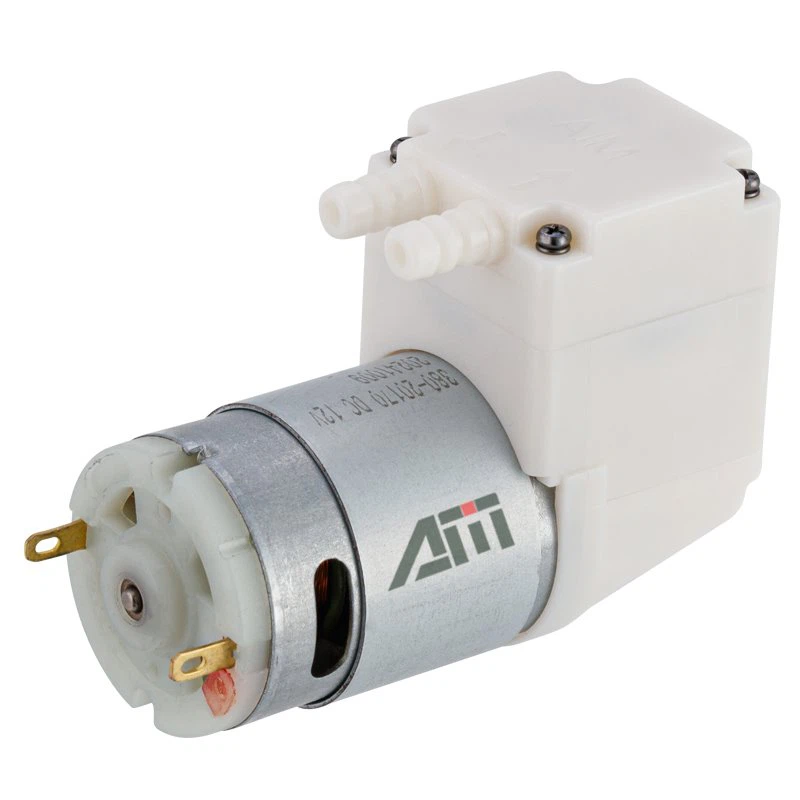
If you're interested in learning more about our micro diaphragm vacuum pumps or think they might be a good fit for your lab, don't hesitate to reach out. We're here to help you find the right pump for your needs. Whether you're a small research lab or a large academic institution, we've got the products and expertise to support your work.
References
- "Vacuum Technology Handbook"
- Journal of Laboratory Equipment and Technology
- Research papers on micro - scale vacuum applications in laboratories